 EN
EN

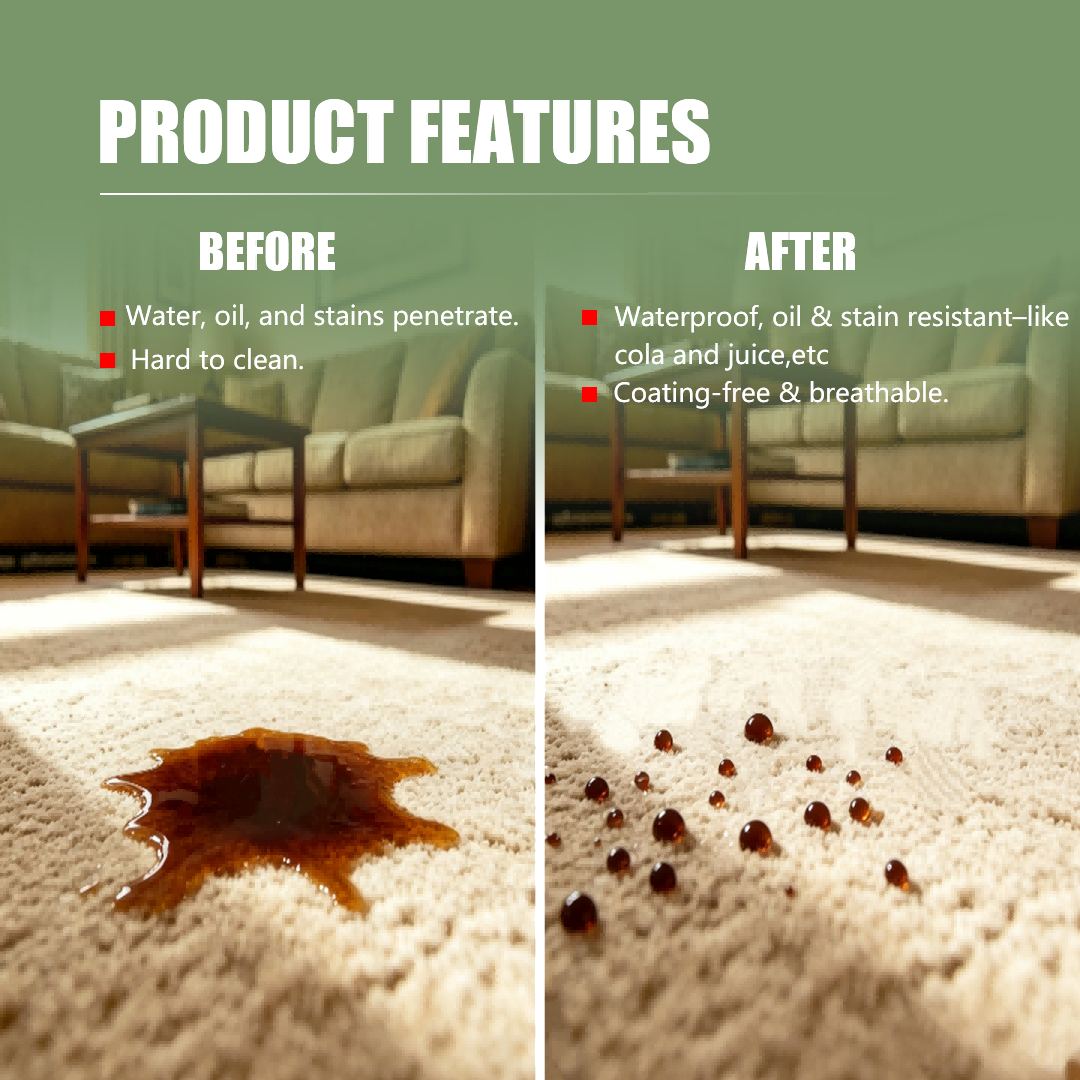
Upholstery takes a beating in daily life. From accidental coffee spills to pet dander and greasy handprints, fabric surfaces on sofas, chairs, and commercial seating are constantly exposed to potential stains. Using a fabric protector spray is one of the most practical and cost-effective steps you can take to defend upholstered furniture before damage occurs. Rather than reacting after a stain sets in, fabric protector spray works proactively to make cleaning easier and extend the visual life of your furniture.
Understanding how fabric protector spray actually works helps you make better decisions about when and how to apply it. This article explains the mechanism behind stain resistance, the types of upholstery that benefit most, and the practical application process that yields the best results. Whether you manage a household, a hospitality venue, or a corporate office, fabric protector spray can meaningfully reduce stain-related maintenance costs and keep upholstery looking fresh longer.
How Fabric Protector Spray Creates a Stain-Resistant Barrier
The Science of Surface Protection
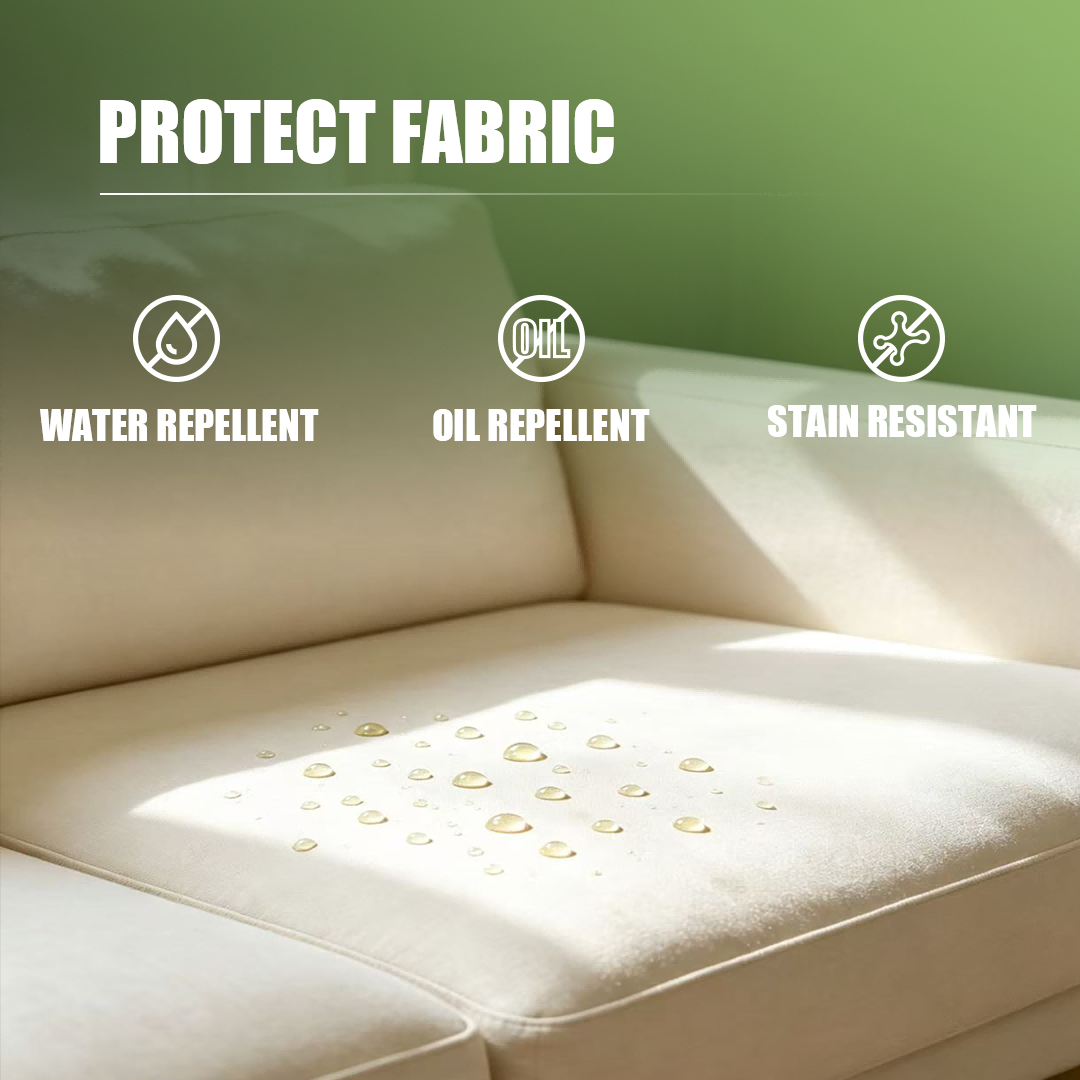
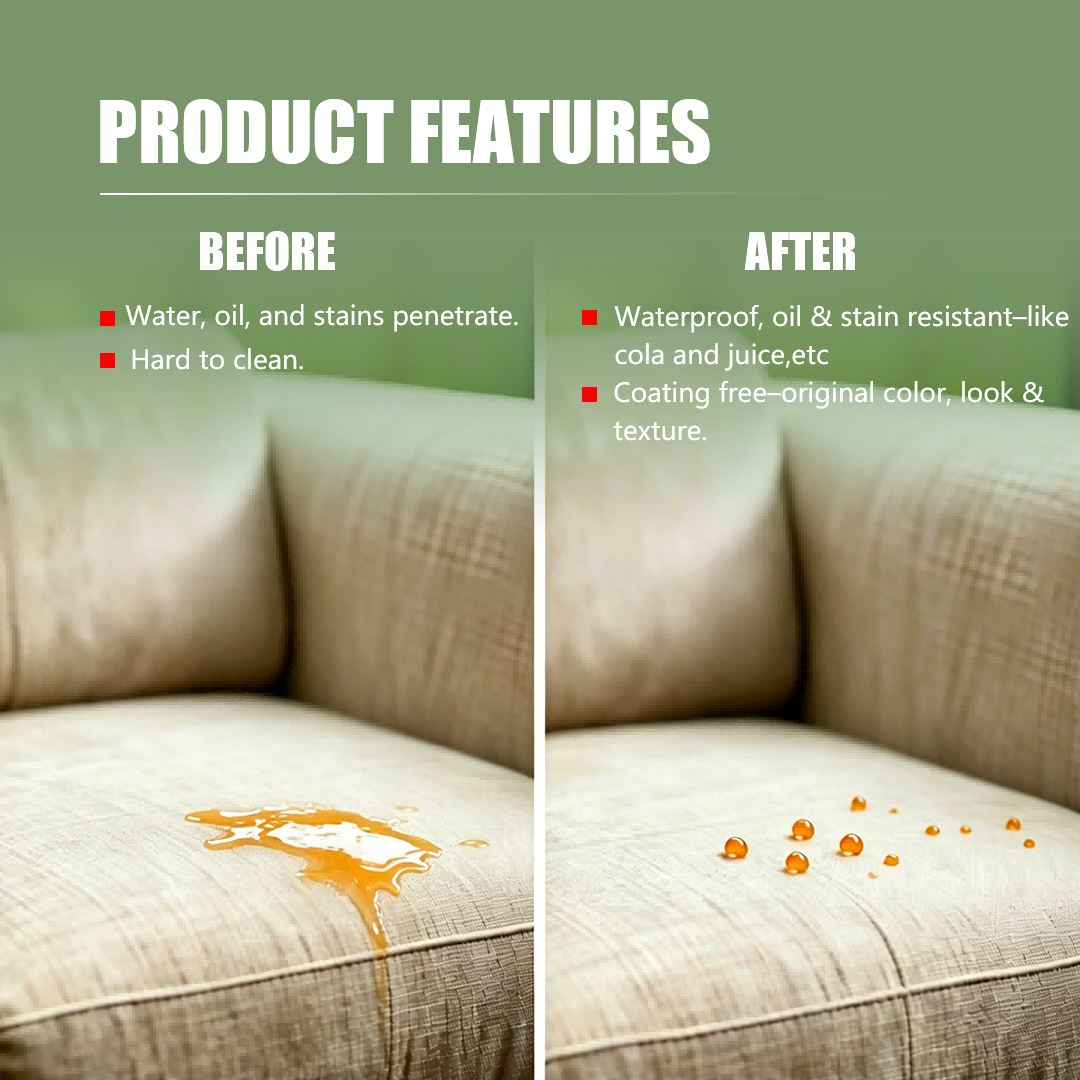
When you apply fabric protector spray to upholstery, the active agents penetrate the individual fibers and coat them with a thin, invisible layer. This coating is typically hydrophobic and oleophobic, meaning it repels both water-based and oil-based liquids. When a spill lands on treated fabric, the liquid beads up on the surface rather than immediately soaking into the fiber structure. This gives you a critical window of time to blot and remove the liquid before it sets into a stain.
Fabric protector spray does not make fabric completely impervious to all stains. Instead, it significantly slows liquid absorption and reduces the bonding of pigment and grease to the fibers. The difference is notable: untreated fabric absorbs spills within seconds, while fabric treated with fabric protector spray can remain surface-wet long enough to be wiped clean. This is the core mechanism that makes fabric protector spray valuable in high-traffic environments.
Types of Stains That Fabric Protector Spray Helps Prevent
Fabric protector spray is most effective against common liquid spills such as coffee, tea, juice, wine, and water-based beverages. It also provides measurable resistance against oil-based substances like skin oils, light food grease, and cosmetic residues. Dry particulate soiling, such as dust and pet hair, tends to adhere less aggressively to treated surfaces because the fiber coating reduces static and surface friction. This makes routine cleaning faster and more thorough when fabric protector spray has been applied in advance.
Which Upholstery Types Benefit Most from Fabric Protector Spray
Residential and Hospitality Upholstery
Sofas, armchairs, dining seat cushions, and headboards in residential settings are among the most obvious candidates for fabric protector spray. These surfaces face frequent contact with food, drinks, and body oils. Applying fabric protector spray after purchasing new furniture is strongly recommended, as the fibers are clean and free of embedded soils at that point, allowing the coating to bond effectively. For hospitality applications such as hotel lobbies, restaurant banquettes, and lounge seating, fabric protector spray reduces cleaning frequency and extends the replacement cycle of expensive upholstered pieces.
In office environments, fabric protector spray is particularly useful on conference room chairs, reception sofas, and collaborative seating areas. These surfaces are touched constantly by multiple users throughout the day and are rarely cleaned as rigorously as residential furniture. A periodic application of fabric protector spray provides a low-effort line of defense against gradual soiling and accidental spills during meetings.
Specialty and Delicate Fabrics
Certain upholstery materials require careful selection of fabric protector spray. Natural fibers such as linen, cotton, and wool can benefit greatly from protection, but the formulation of the fabric protector spray must be compatible with those fiber types. Synthetic fabrics like polyester, nylon, and microfiber also respond well to fabric protector spray, often showing enhanced stain resistance due to the already-smooth surface structure of synthetic fibers. Always verify that the fabric protector spray you choose is rated for the specific material you intend to treat, particularly for delicate or blended textiles.
Applying Fabric Protector Spray for Maximum Effectiveness
Preparation and Application Steps
Effective use of fabric protector spray starts with proper surface preparation. The upholstery must be clean, dry, and free of existing stains before application. Applying fabric protector spray over soiled fabric can lock in dirt and make future cleaning more difficult. Once the surface is clean, hold the fabric protector spray canister at the recommended distance, typically 10 to 15 centimeters, and apply an even, overlapping mist across the entire fabric surface. Avoid saturating any single area, as uneven application can result in patchy protection.
After applying fabric protector spray, allow the treated surface to dry fully before use. Drying time varies by formulation and ambient humidity, but generally ranges from 20 minutes to several hours. Some fabric protector spray products recommend a second light coat after the first has dried, which enhances the depth and durability of the protective layer. Always follow the manufacturer's instructions for the specific fabric protector spray you are using to achieve consistent results.
Reapplication and Long-Term Maintenance
Fabric protector spray is not a permanent treatment. The protective coating gradually diminishes with use, cleaning, and friction. For residential upholstery, reapplying fabric protector spray every six to twelve months is a reasonable maintenance schedule. High-traffic commercial upholstery may require reapplication every three to six months. After any professional deep cleaning, the upholstery should always be retreated with fabric protector spray, since cleaning processes typically strip protective coatings. Keeping a regular reapplication schedule ensures that the stain-resistance benefits remain active over the long term.
FAQ
Can fabric protector spray be used on all types of upholstery fabric?
Most fabric protector spray products are compatible with a wide range of upholstery materials including polyester, nylon, cotton, and microfiber. However, some delicate or specialty fabrics such as silk, velvet, or untreated leather may require a specific formulation. Always read the product label and perform a spot test on an inconspicuous area before applying fabric protector spray to an entire piece of furniture.
How soon after purchasing new furniture should I apply fabric protector spray?
The ideal time to apply fabric protector spray is as soon as possible after purchasing new upholstered furniture, before any spills or soiling occur. Clean, untreated fibers allow the fabric protector spray to penetrate and bond more effectively, providing a stronger and more uniform protective layer from the start. Delaying application until after stains have occurred reduces the effectiveness of the treatment.
Does fabric protector spray change the look or feel of upholstery?
When applied correctly, a quality fabric protector spray should be virtually invisible and leave no significant change in the texture, color, or drape of the upholstery. Some formulations may create a very slight stiffening immediately after application, but this typically disappears once the fabric protector spray has fully dried and the fabric has been used for a short period. Always test on a hidden area first to confirm compatibility with your specific fabric.