 EN
EN

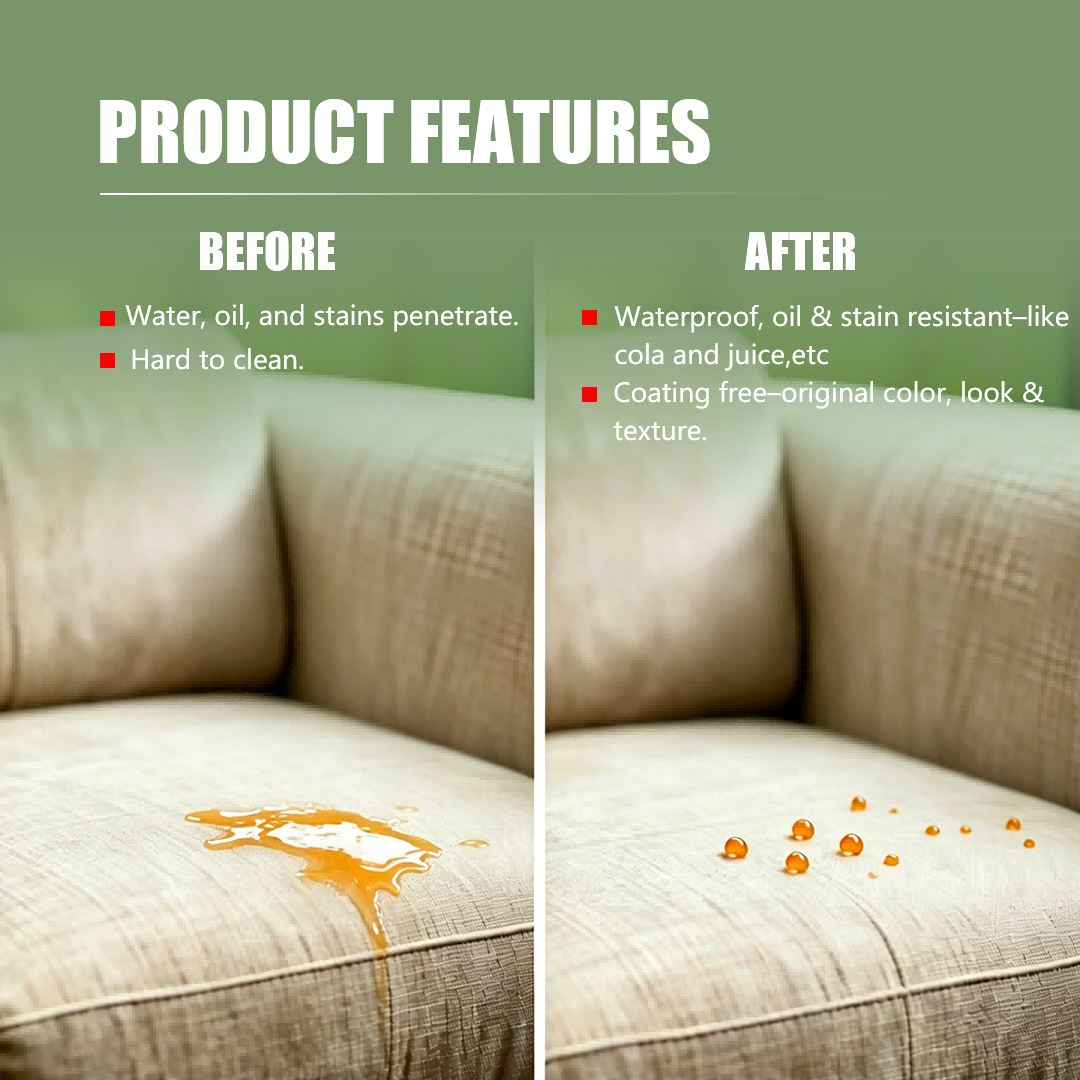
When textiles are exposed to spills, moisture, and oily contaminants, their appearance and performance deteriorate quickly. A high-quality fabric protector spray creates an invisible barrier across fiber surfaces, dramatically improving how fabrics resist both water and oil. Understanding the mechanism behind this protection helps buyers and professionals make smarter decisions for upholstery, workwear, outdoor gear, and decorative textiles.
The value of fabric protector spray goes well beyond simple stain repellency. Modern formulations bond at the fiber level, reducing surface energy so that liquids bead up and roll off rather than soaking through. Whether you are protecting office chairs, vehicle interiors, or commercial uniforms, fabric protector spray delivers measurable performance benefits that preserve fabric integrity over repeated use and cleaning cycles.
The Science Behind Fabric Protector Spray
How Nano-Technology Enables Superior Repellency
Most advanced fabric protector spray products rely on nano-scale active ingredients that penetrate deep into individual fibers rather than coating only the outer surface. When applied correctly, the fabric protector spray surrounds each fiber with a hydrophobic and oleophobic molecular layer. This dual-action chemistry means that both water-based and oil-based substances encounter a surface with greatly reduced adhesion energy, causing them to form droplets that are easily wiped or brushed away before absorption occurs.
The nano-technology in a quality fabric protector spray does not change the fabric's breathability, texture, or color. This is a critical performance advantage for professional applications where maintaining the original feel of the textile matters. The fabric protector spray enhances function without compromising aesthetics, which is why industrial buyers, facility managers, and product designers consistently specify it for sensitive textile applications.
Water Resistance Versus Oil Resistance
Water resistance and oil resistance are governed by different molecular principles, which is why not every fabric protector spray performs equally against both. Water repellency depends on reducing polar surface interactions, while oil repellency requires reducing non-polar surface energy. A fabric protector spray formulated with nano composite or advanced silicone derivatives can address both challenges simultaneously. When evaluating fabric protector spray for any application, it is essential to confirm that the product is explicitly rated for oleophobic as well as hydrophobic performance.
Key Applications Where Fabric Protector Spray Adds Real Value
Upholstery and Interior Textiles
Upholstered furniture in commercial and residential environments faces constant exposure to spills, body oils, and food residues. Applying fabric protector spray to sofas, chairs, and cushions creates a reliable defense layer that simplifies daily maintenance. Fabric protector spray treated upholstery resists coffee, juice, and cooking oil stains far more effectively than untreated fabric, reducing cleaning frequency and extending the usable lifespan of furniture investments. For hospitality, healthcare, and office settings, fabric protector spray is a standard part of textile maintenance protocols.
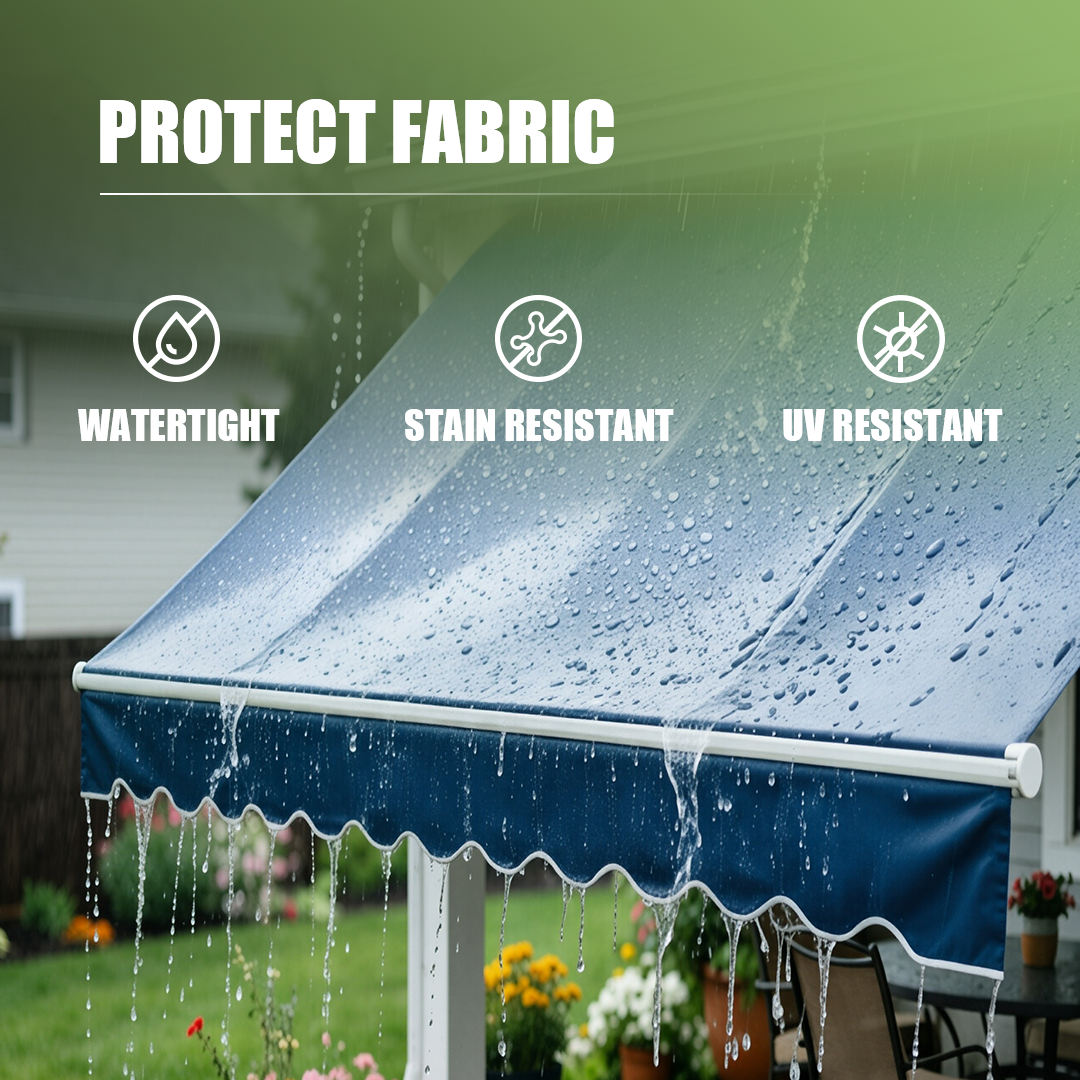
Vehicle interiors benefit equally from fabric protector spray. Car seats, floor mats, and headliners treated with fabric protector spray remain cleaner and more presentable despite heavy daily use. Fleet managers and automotive detailing professionals regularly use fabric protector spray as a preventive measure because remediation after deep staining costs far more than proactive protection.
Workwear and Protective Clothing
In industrial and food service environments, fabric protector spray plays a critical safety and hygiene role. Workwear treated with fabric protector spray resists oil splatter from machinery and kitchen equipment, preventing fabrics from absorbing greasy contaminants that are difficult to launder out. Fabric protector spray also helps maintain the professional appearance of uniforms by preventing visible staining throughout long shifts. Many procurement teams specify fabric protector spray as part of their standard uniform care program to reduce replacement frequency and lower total cost of ownership.
How to Apply Fabric Protector Spray for Maximum Effectiveness
Surface Preparation and Application Technique
The effectiveness of any fabric protector spray depends heavily on correct application. Before using fabric protector spray, the textile surface must be clean, dry, and free from dust, oils, or residues. Pre-existing contamination prevents the fabric protector spray from bonding uniformly to fibers, creating gaps in the protective layer. Spray the fabric protector spray from an appropriate distance, typically 10 to 15 centimeters, using slow, even strokes to ensure full coverage without oversaturation.
Allow the fabric protector spray to cure fully before exposing the treated surface to use or moisture. Curing time varies by formulation, but most professional-grade fabric protector spray products reach effective performance levels within a few hours at room temperature. For maximum water and oil resistance, a second application of fabric protector spray after the first layer has dried is often recommended on high-wear surfaces.
Maintenance and Reapplication Schedules
The protection offered by fabric protector spray is durable but not permanent. Repeated washing, abrasion, and heavy use gradually reduce the repellency of the treated surface. To maintain consistent water and oil resistance, fabric protector spray should be reapplied on a regular schedule based on the frequency of use and washing. For commercial upholstery and workwear, reapplying fabric protector spray every few months or after every few wash cycles ensures that protection remains effective. Establishing a clear reapplication routine is essential for any organization relying on fabric protector spray as part of a broader textile care strategy.
FAQ
Does fabric protector spray affect the breathability or softness of treated fabrics?
High-quality fabric protector spray is engineered to protect at the fiber level without altering breathability, texture, or natural softness. The molecular barrier created by fabric protector spray is nano-scale, meaning it does not form a thick surface coating that would restrict airflow or change how the fabric feels to the touch.
How long does the protection from fabric protector spray last?
The durability of fabric protector spray depends on the formulation quality and how intensively the textile is used. For items that undergo frequent washing or heavy daily use, fabric protector spray may need reapplication every few weeks to months. Lightly used items may retain effective protection for longer periods before reapplication is needed.
Can fabric protector spray be used on all types of fabric?
Most fabric protector spray products are compatible with a wide range of natural and synthetic fibers, including cotton, polyester, nylon, and blended textiles. However, it is always advisable to perform a small patch test with fabric protector spray before full application, particularly on delicate, dyed, or specialty fabrics, to confirm compatibility and ensure no discoloration or texture change occurs.