 EN

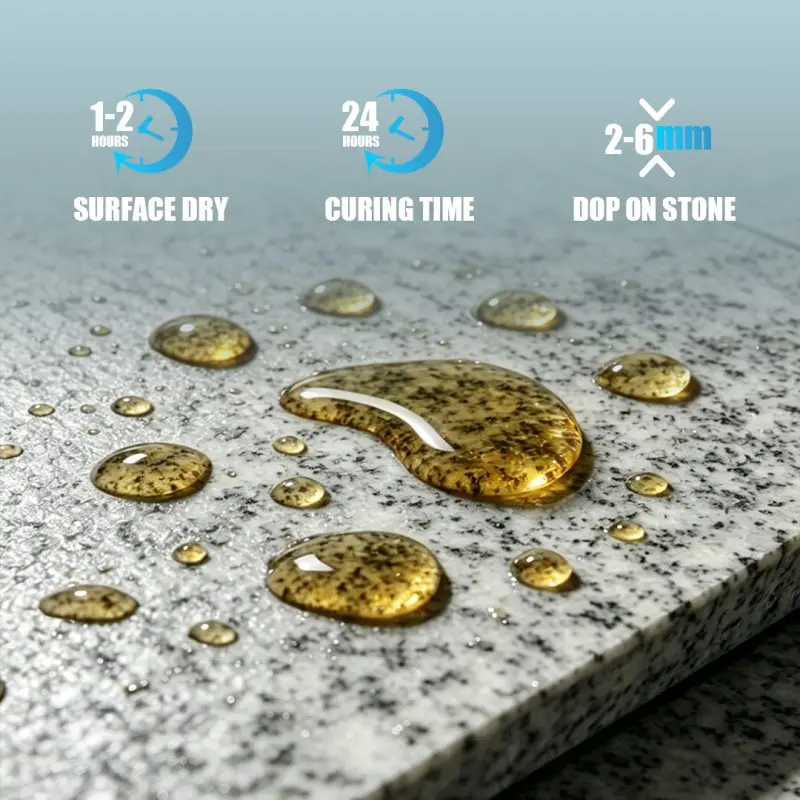
Kitchen countertops endure constant exposure to spills, acidic foods, oils, and moisture that threaten their appearance and durability. A stone countertop sealer serves as a critical protective barrier, preventing stains from penetrating porous stone surfaces like granite, marble, and limestone. Without proper sealing, even everyday substances such as coffee, wine, and lemon juice can leave permanent marks that compromise both aesthetics and structural integrity. Understanding how stone countertop sealer works and when to apply it empowers homeowners and facility managers to maintain pristine kitchen surfaces for years to come.
The fundamental role of stone countertop sealer is to create a hydrophobic and oleophobic coating that repels water and oil-based substances before they penetrate the stone matrix. Most natural stone materials contain microscopic pores that absorb liquids, causing discoloration and potential structural weakening over time. A high-quality stone countertop sealer fills or coats these pores, forming a protective layer that allows spills to sit on the surface long enough for safe removal. This preventative approach transforms daily kitchen maintenance from a constant battle against stains into a manageable routine that preserves the stone's natural beauty and resale value.
Understanding Stone Porosity and Sealer Penetration
Why Natural Stone Requires Sealing
Natural stone materials such as granite, marble, limestone, and travertine are porous at the microscopic level, meaning they contain interconnected air pockets and capillary spaces. These tiny voids readily absorb liquids, particularly acidic substances and oils that migrate deep into the stone structure. Once absorbed, these substances become extremely difficult to remove and often leave permanent stains or etch marks. A stone countertop sealer prevents this absorption by occupying the pore spaces with a protective resin or coating. This is why stone countertop sealer application has become standard practice in both residential kitchens and commercial food preparation areas where spill frequency is high.
How Sealer Creates a Protective Barrier
Stone countertop sealer products work through two primary mechanisms: penetrating sealers that fill internal pores, and topical sealers that form a surface layer. Penetrating stone countertop sealer sits within the stone matrix and maintains the natural appearance while providing subsurface protection. Topical stone countertop sealer creates a more visible shield that sits atop the stone and typically offers enhanced stain resistance but may require more frequent reapplication. Both formulations rely on the same principle: preventing moisture and contaminants from reaching the bare stone surface. The effectiveness of stone countertop sealer depends on proper application technique, appropriate product selection for the specific stone type, and regular maintenance protocols that preserve the protective layer over time.
Application Methods and Protection Effectiveness
Proper Application Techniques for Maximum Protection
Applying stone countertop sealer requires careful preparation and attention to detail to ensure complete coverage and optimal bonding. The surface must first be cleaned thoroughly to remove dust, grease, and residual debris that could interfere with sealer penetration or adhesion. A damp (not wet) application method typically works best for penetrating stone countertop sealer, as moisture helps the product disperse evenly across the pore structure. Multiple thin coats are generally more effective than a single heavy application, as this allows better sealer saturation and more uniform protection. Allow adequate drying time between coats, usually ranging from 24 to 72 hours depending on environmental conditions and the specific stone countertop sealer formulation being used. Proper application of stone countertop sealer significantly reduces the risk of premature product failure or inadequate stain protection.
Duration and Reapplication Frequency
The protective lifespan of stone countertop sealer varies based on product type, stone porosity, kitchen traffic volume, and maintenance practices. Most penetrating stone countertop sealer products maintain effectiveness for one to three years in residential settings, while high-traffic commercial kitchens may require reapplication every 12 to 18 months. Topical stone countertop sealer often requires more frequent reapplication but offers easier surface inspection and visible wear patterns. Homeowners can assess when stone countertop sealer has diminished by performing a simple water-bead test: if water no longer beads on the surface but instead absorbs, resealing is likely overdue. Establishing a regular maintenance schedule and using the stone countertop sealer product as recommended prevents unexpected staining incidents and maintains the kitchen's professional appearance.
Daily Stain Prevention and Long-Term Kitchen Maintenance
Combining Sealing with Preventative Practices
While stone countertop sealer provides essential protection, optimal stain prevention requires complementary daily practices that work in concert with the protective coating. Immediate cleanup of spills, particularly acidic substances like lemon juice, vinegar, and wine, prevents them from sitting on the surface long enough to etch or penetrate. Using coasters under beverages and trivets under hot cookware protects the stone countertop sealer layer from thermal shock and prevents concentrated wet spots that encourage absorption. Avoiding abrasive scrubbing tools and harsh chemical cleaners preserves the integrity of the stone countertop sealer coating, extending its protective lifespan. Regular gentle cleaning with pH-neutral stone cleaners maintains the sealer's performance without degrading its protective properties, creating a synergistic maintenance routine that maximizes kitchen surface longevity.
Recognizing Stain Risks and Early Damage Signs
Common kitchen substances pose varying levels of risk to stone surfaces even when protected by stone countertop sealer. Oil-based foods, red wine, fruit acids, and certain sauces are primary culprits that stain porous stone quickly if the stone countertop sealer barrier has degraded. Early warning signs that stone countertop sealer protection is diminishing include dull patches, water marks that don't evaporate, or slight discoloration that resists normal cleaning. Addressing these indicators promptly by reapplying stone countertop sealer prevents the progression to permanent staining that may require professional restoration. Understanding which substances pose the greatest threat allows kitchen users to exercise appropriate caution and maintain the protective benefits of stone countertop sealer investment.
FAQ
How often should I reapply stone countertop sealer in a busy kitchen?
High-traffic kitchens typically require stone countertop sealer reapplication every 12 to 18 months, while residential kitchens usually need it every one to three years. Perform the water-bead test annually to gauge the current protective level of your stone countertop sealer, and reapply when water no longer beads on the surface. The frequency depends on the specific stone countertop sealer product, your stone type, and actual usage patterns.
Can I apply stone countertop sealer myself, or should I hire a professional?
Many homeowners successfully apply stone countertop sealer themselves by following manufacturer instructions carefully, though professional application ensures optimal coverage and bonding. If you choose DIY stone countertop sealer application, invest in quality products and allow adequate drying time between coats. Professional stone countertop sealer application may cost more upfront but can provide longer-lasting protection and peace of mind for valuable kitchen surfaces.
Does stone countertop sealer prevent all types of kitchen stains?
Stone countertop sealer significantly reduces staining risk but doesn't guarantee 100% protection against all substances, particularly aggressive acids or prolonged exposure to liquid. The best protection combines a quality stone countertop sealer with immediate spill cleanup and preventative practices such as using coasters and trivets. Even with excellent stone countertop sealer coverage, some particularly stubborn substances may cause minor discoloration if not addressed promptly.