 EN
EN

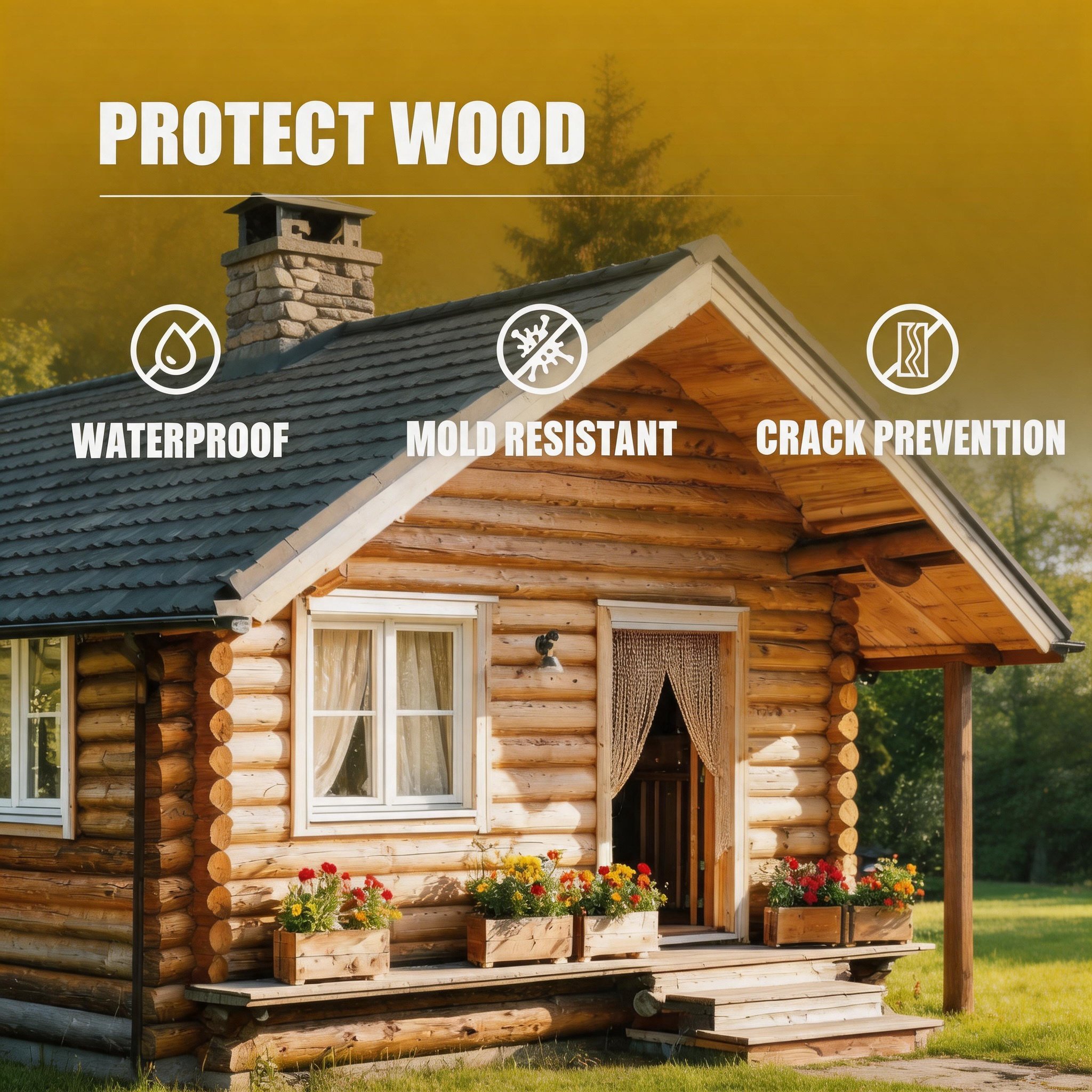
Stone surfaces in residential and commercial settings face constant exposure to environmental factors that compromise their appearance and structural integrity. Whether installed in kitchens, bathrooms, exterior facades, or landscape features, natural stone requires protective treatment to maintain its original color vibrancy and tactile texture. A high-quality stone sealer functions as a barrier between the stone and damaging external elements, creating a protective layer that significantly extends the lifespan of stone color and texture. Understanding how stone sealer works reveals why this investment is essential for any property owner seeking to preserve stone beauty and value over the long term.
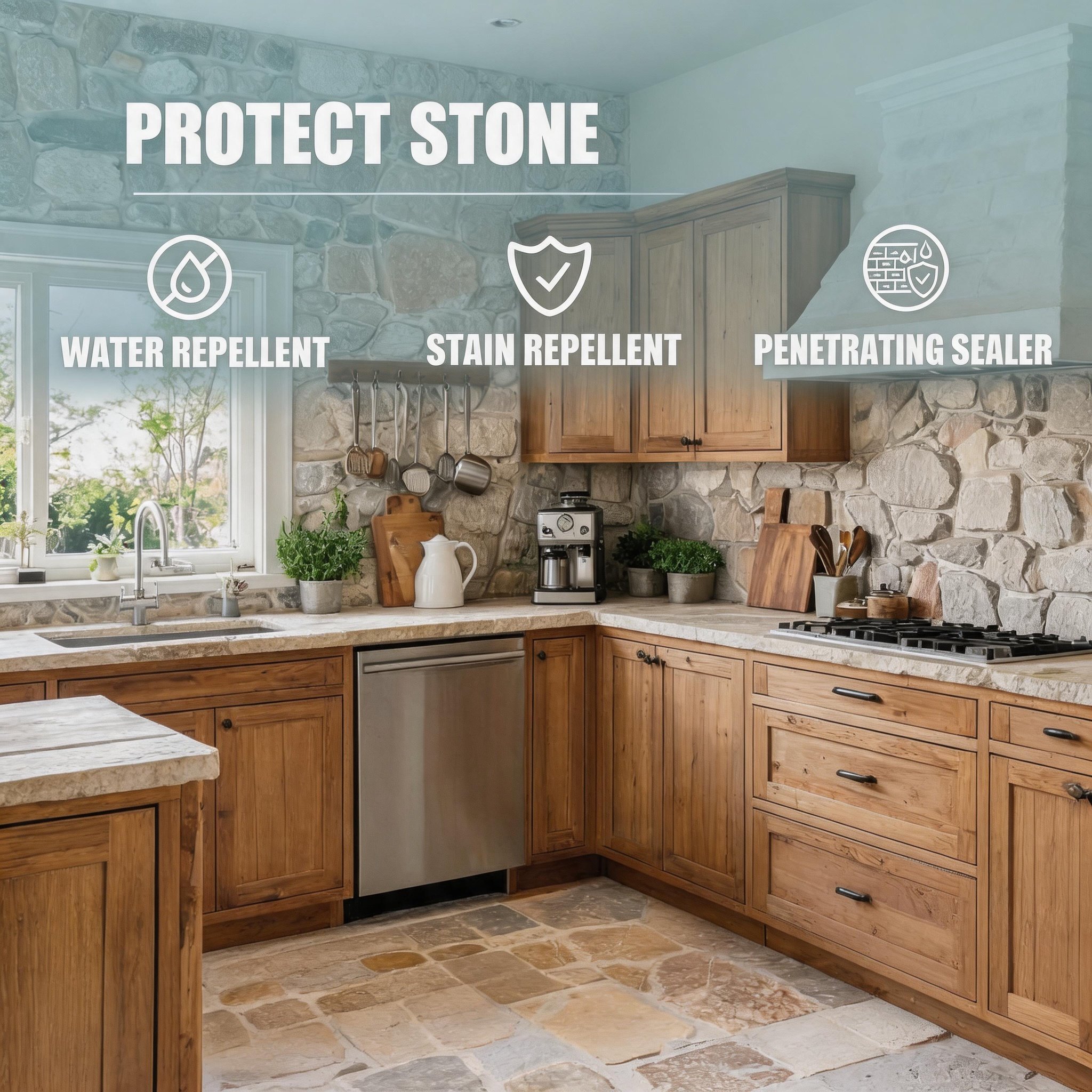
The primary function of a stone sealer involves creating a microscopic protective coating that adheres to the stone's porous surface. This coating prevents moisture, dirt, oils, and UV rays from penetrating deep into the stone matrix. When stone sealer is properly applied, it dramatically reduces the rate at which stone absorbs liquids and pollutants. The result is a stone surface that retains its original color depth, prevents staining, and maintains surface texture without degradation. By blocking these harmful agents, stone sealer ensures that stone installations look newer and remain more durable for decades.
Understanding Stone Sealer's Protective Mechanism
How Stone Sealer Creates a Barrier Against Environmental Damage
Stone is inherently porous, meaning microscopic capillaries run throughout its structure. Water, acids, and contaminants naturally migrate through these pores, causing oxidation, discoloration, and texture degradation. A stone sealer fills or coats these pores with a hydrophobic or oleophobic compound that repels water and oil-based substances. This protective barrier prevents moisture from entering the stone, which eliminates the primary cause of color fading and surface deterioration. The stone sealer essentially 'closes' the stone's vulnerability to external attack, preserving the mineral composition that gives stone its distinctive color and feel.
UV Protection and Color Retention Through Stone Sealer
Ultraviolet radiation is one of the most significant threats to stone color longevity. UV rays break down the iron oxide compounds and other minerals that create stone's natural pigmentation. Many advanced stone sealer formulations include UV-absorbing additives that filter harmful radiation before it reaches the stone surface. This UV-blocking capability of stone sealer is particularly critical for exterior applications and high-light indoor areas. By filtering UV exposure, stone sealer prevents the fading that typically occurs in unprotected stone within just a few years, maintaining vibrant color throughout the sealer's protective lifespan.
Color Preservation and Aesthetic Durability With Stone Sealer
Preventing Staining and Discoloration Through Stone Sealer Application
Staining represents one of the most common cosmetic issues affecting unprotected stone. Coffee spills, rust migration, mineral deposits, and biological growth all cause permanent discoloration in untreated stone. Stone sealer creates a stain-resistant surface by preventing these substances from bonding to the stone matrix. When properly maintained, a stone sealer allows spills to remain on the surface long enough for wiping, rather than immediately absorbing into the stone. This stain resistance directly translates to stone that looks cleaner, brighter, and more color-true over extended periods. The visual difference between sealed and unsealed stone becomes increasingly apparent after two to three years of normal use.
Maintaining Original Texture Through Stone Sealer's Protective Coating
The texture of stone—whether honed, polished, or natural—depends on maintaining the integrity of the stone's surface grain structure. Continuous exposure to moisture, freeze-thaw cycles, and chemical weathering gradually erodes this texture, creating a dull, weathered appearance. Stone sealer protects the surface grain by preventing moisture penetration that leads to spalling, pitting, and surface breakdown. The texture remains sharp and consistent because the stone sealer intercepts degradation before it affects the visible surface. Over ten to fifteen years, protected stone retains its original tactile quality and visual sharpness, while unprotected stone becomes noticeably worn and rounded.
Long-Term Benefits of Stone Sealer Investment
Extended Lifespan and Reduced Maintenance Demands
Investing in quality stone sealer dramatically reduces the maintenance burden associated with stone surfaces. Because stone sealer prevents staining and discoloration, routine cleaning requires only mild detergent and water rather than aggressive chemical treatments. The reduced need for restorative cleaning protects the stone itself from repeated chemical exposure that can degrade both color and texture. Furthermore, stone sealer extends the interval between resealing applications, with premium formulations lasting five to seven years or longer. This extended durability means property owners achieve superior color and texture preservation while spending less time and money on maintenance interventions.
Cost-Effectiveness of Stone Sealer Compared to Replacement
The cost of stone sealer application represents a fraction of stone replacement expenses. High-quality stone sealer application typically costs between five hundred and two thousand dollars depending on installation area, while replacing stained or degraded stone surfaces can exceed ten to fifty thousand dollars. By preserving color and texture through stone sealer, property owners avoid expensive extraction, disposal, and reinstallation of damaged stone. Additionally, sealed stone maintains aesthetic and market value more effectively than degraded stone. The financial case for stone sealer becomes compelling when considered as preventive protection rather than merely aesthetic enhancement.
FAQ
Does stone sealer change the appearance of stone?
High-quality stone sealer should not significantly alter the stone's appearance when applied correctly. Most modern stone sealer formulations are designed to be either invisible or minimally noticeable, enhancing the stone's natural color without creating a plastic-like shine. Some stone sealer products do produce a slight sheen or 'wet look,' which can actually enhance color depth perception without changing the actual pigmentation. Always test stone sealer on a small, inconspicuous area before full application. The stone sealer's primary goal is preservation, not transformation, so any visible change should be subtle and enhance rather than obscure the stone's natural beauty.
How often must stone sealer be reapplied?
The reapplication frequency of stone sealer depends on the product type, traffic intensity, and environmental exposure. Premium penetrating stone sealer formulations typically require reapplication every five to seven years for interior applications and every two to four years for high-traffic or exterior areas. Lower-tier stone sealer products may need reapplication every one to three years. Regular maintenance cleaning and avoiding harsh chemicals help extend the protective lifespan of stone sealer. Professional inspection can determine whether the stone sealer's protective layer remains effective or if reapplication is necessary to maintain optimal color and texture preservation.
Can stone sealer protect against all types of damage?
While stone sealer provides comprehensive protection against moisture, UV radiation, staining, and minor chemical exposure, it cannot prevent all forms of stone damage. Extreme physical impact, severe freeze-thaw cycling in unprotected climates, or continuous exposure to highly acidic substances may eventually overwhelm even the best stone sealer. Stone sealer is most effective when combined with proper maintenance practices, including prompt spill cleanup and appropriate cleaning methods. Additionally, stone sealer works optimally on certain stone types more than others; dense stones like granite benefit more dramatically from stone sealer than highly porous stones like sandstone or limestone. Understanding stone sealer's capabilities and limitations ensures realistic expectations regarding color and texture preservation outcomes.