 EN
EN

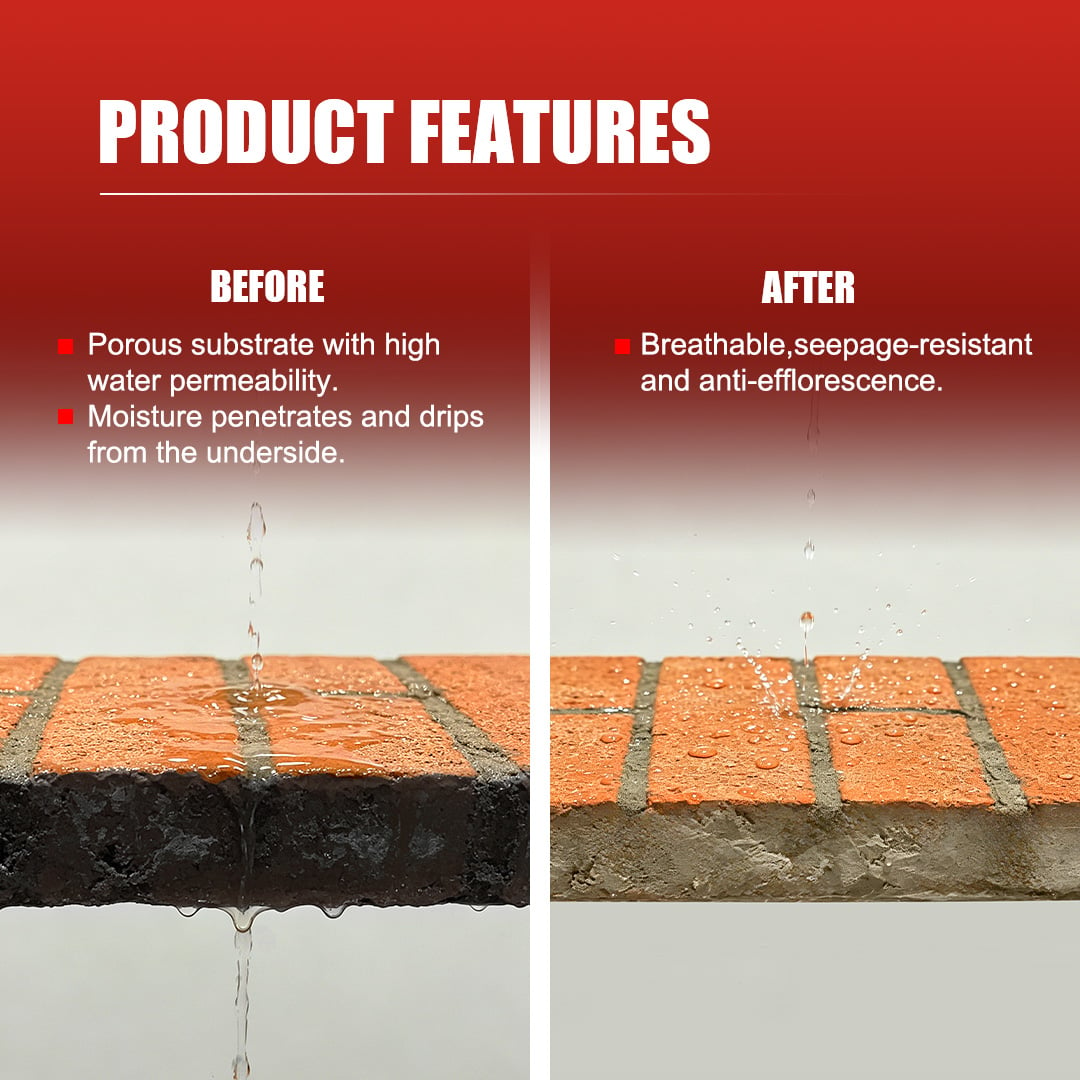
Stone fabricators face constant pressure to deliver surfaces that look pristine and withstand demanding conditions over time. A properly applied stone sealer becomes essential to achieving this goal. This protective layer prevents staining, moisture intrusion, and surface degradation that can compromise the entire project. When fabricators understand how to leverage stone sealer technology effectively, they elevate their reputation, reduce warranty claims, and ensure long-term client satisfaction. The difference between a mediocre installation and an exceptional one often comes down to whether the right stone sealer was chosen and applied with precision.
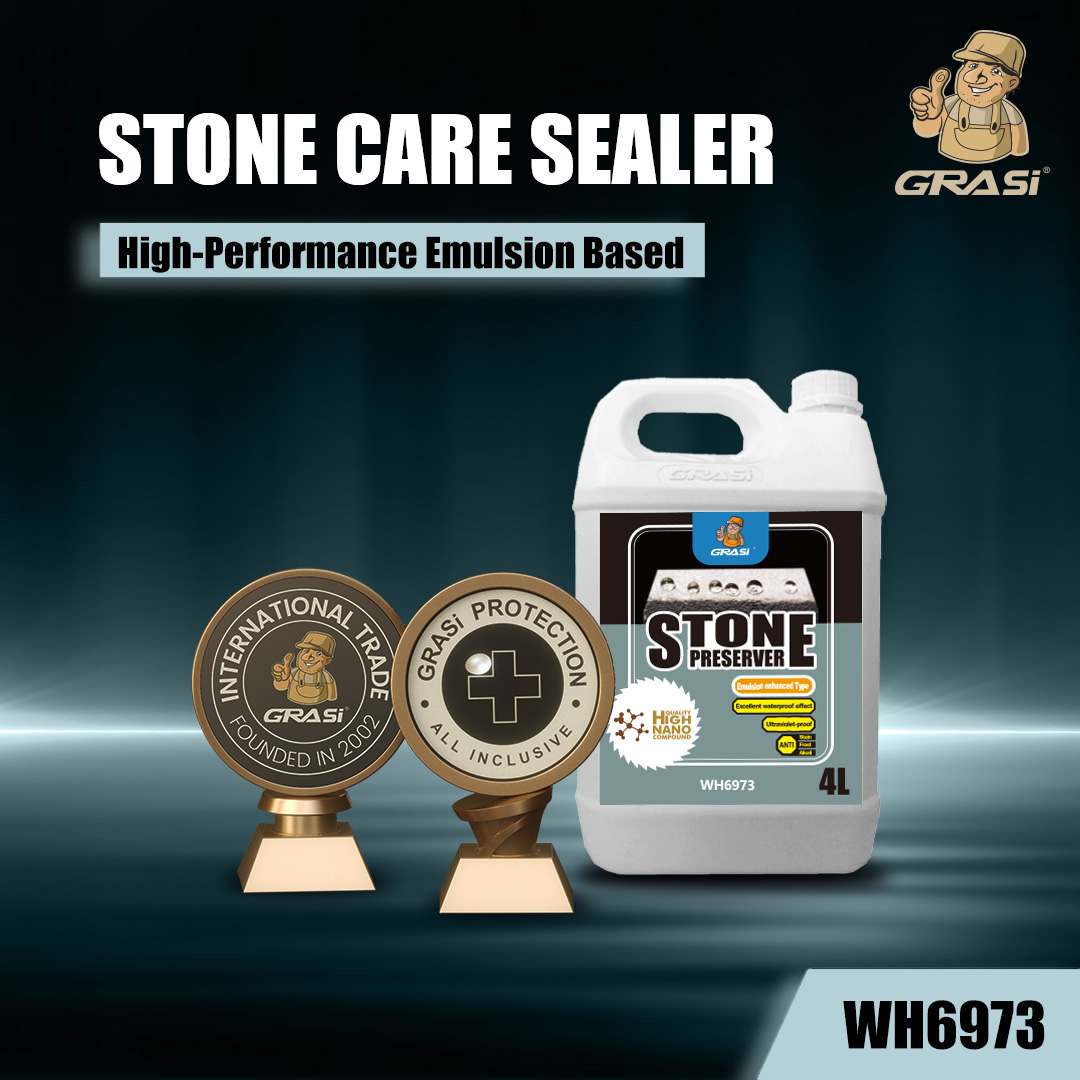
Quality fabrication extends beyond cutting and finishing stone surfaces. Once a project reaches the final stages, protection becomes paramount. Applying an effective stone sealer ensures that granite, marble, limestone, and engineered surfaces maintain their aesthetic appeal and structural integrity. Fabricators who integrate stone sealer into their standard workflow demonstrate commitment to excellence and build stronger client relationships.
Understanding Stone Sealer and Its Core Function
What a Stone Sealer Does
A stone sealer works by creating a protective barrier on the stone surface. This barrier resists liquids, oils, and contaminants that would otherwise penetrate the porous stone structure. Without proper sealing, water can seep into microscopic gaps, causing freeze-thaw damage, mold growth, and permanent staining. The right stone sealer formulation fills these gaps without altering the stone's natural appearance or slip resistance.
Why Stone Sealer Matters for Fabricators
Fabricators who fail to recommend or apply stone sealer leave their projects vulnerable to premature failure. A client's dissatisfaction with staining or water damage reflects poorly on the fabricator's workmanship, even though the stone itself was cut and finished flawlessly. By incorporating stone sealer application into every project scope, fabricators distinguish themselves as professionals who deliver complete, protected surfaces. This practice also reduces callback maintenance and strengthens contractual compliance.
Selection and Application of Stone Sealer
Choosing the Right Stone Sealer for Different Stone Types
Different stone materials require different stone sealer formulations. Granite typically benefits from penetrating sealers that protect while maintaining its shine, whereas marble needs gentler formulations to preserve its polished finish. Fabricators must evaluate the porosity, finish, and end-use environment before selecting a stone sealer product. Long-lasting stone sealer options offer extended protection with fewer reapplications, reducing overall lifecycle costs for clients.
Best Practices for Stone Sealer Application
Proper application of stone sealer requires clean surfaces free of dust and residue. Fabricators should ensure the stone is completely dry before sealing, as moisture can prevent proper penetration. Applying stone sealer in thin, even coats—often in multiple passes—yields superior protection compared to one thick application. Curing time is critical; rushing to final delivery before the stone sealer has fully hardened can compromise performance. Industry standards typically recommend 24 to 48 hours of curing before the surface is exposed to water or heavy use.
Quality Improvements and Project Benefits
Enhanced Surface Durability
A well-sealed surface with quality stone sealer extends the visible lifespan of stone installations dramatically. Kitchen countertops resist oil stains, bathrooms resist soap residue and mold, and outdoor installations resist weathering. The stone sealer layer acts as a sacrificial barrier, protecting the stone underneath from irreversible damage. This durability translates directly into client satisfaction and repeat business for fabricators who make sealing a standard practice.
Reduced Maintenance Demands
Clients with properly sealed surfaces require less frequent professional maintenance and report fewer staining incidents. By ensuring comprehensive stone sealer coverage at installation, fabricators reduce warranty claims and callback requests. The upfront effort of proper application pays dividends through a cleaner service record and improved client retention. Documentation of stone sealer application also protects fabricators by establishing evidence that professional care was taken.
Brand Reputation and Competitive Advantage
Fabricators known for premium finishing with reliable stone sealer application command higher pricing and attract discerning clients. Marketing that emphasizes complete project protection through proper stone sealer use positions a fabricator as quality-focused rather than cost-driven. Industry referrals and testimonials often highlight the longevity of surfaces sealed during original fabrication. This reputation advantage becomes self-reinforcing as satisfied clients recommend the fabricator to others.
FAQ
How often should stone sealer be reapplied to maintain protection?
Reapplication frequency depends on the stone sealer type, stone porosity, and usage intensity. Most quality stone sealer products maintain effectiveness for 1 to 3 years in residential settings, though high-traffic commercial areas may require more frequent renewal. Fabricators should advise clients to have their surfaces tested periodically to determine when a fresh stone sealer application is needed.
Can stone sealer prevent all types of staining?
While an excellent stone sealer prevents most common stains from permanent penetration, etching from acidic substances and organic growth in extremely wet conditions may still occur. The best stone sealer significantly reduces staining risk but works most effectively when paired with client education about proper stone care and prompt cleanup of spills.
What happens if stone sealer is not applied during fabrication?
Unsealed stone is susceptible to water infiltration, oxidation, and permanent staining within weeks or months of installation. Retrofitting protection after damage has occurred is far more expensive and often ineffective compared to applying stone sealer during initial fabrication. Fabricators who skip the stone sealer step risk project failure and damaged reputation.