 EN
EN

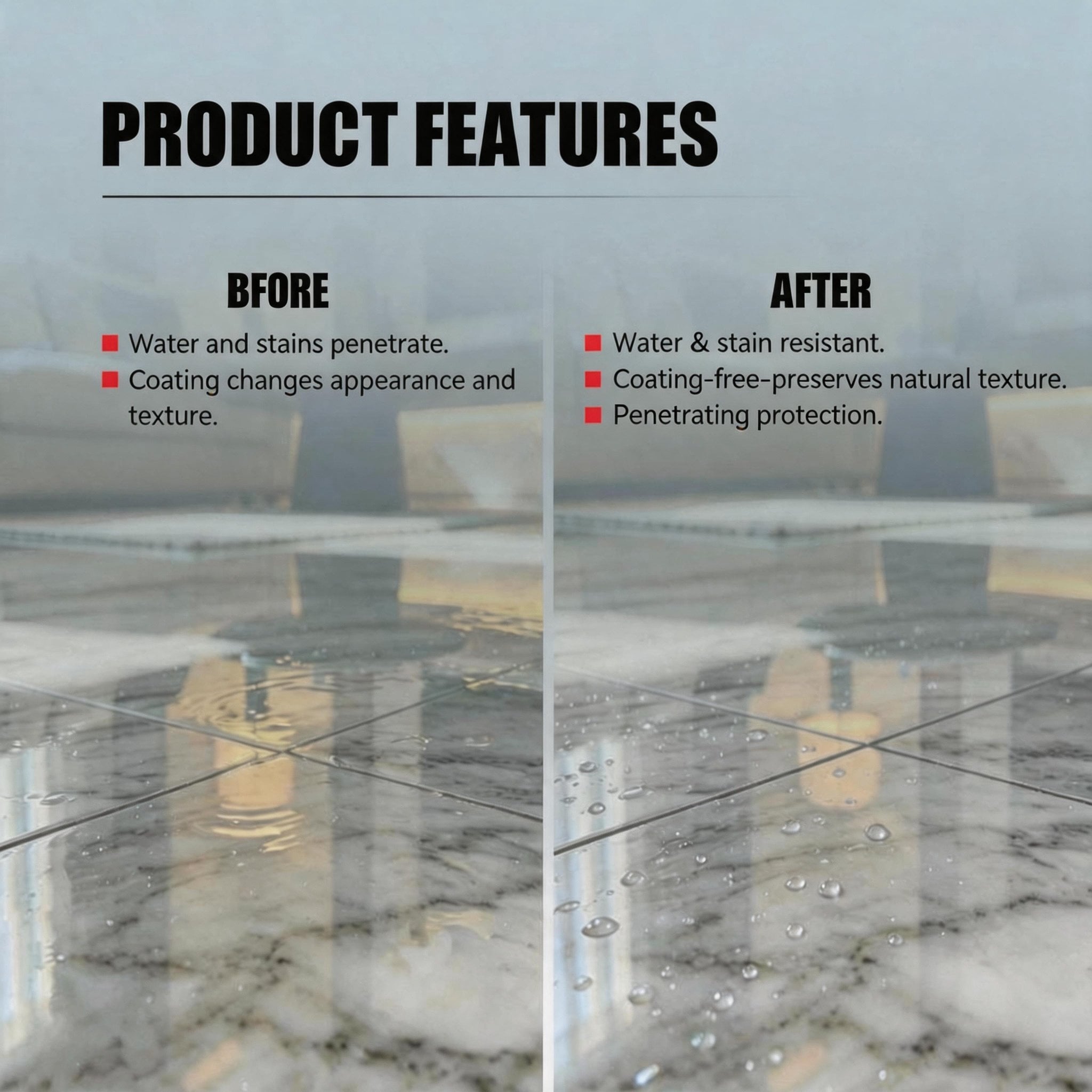
Natural stone surfaces in commercial buildings face relentless exposure to foot traffic, weather elements, chemical spills, and environmental pollutants. Without proper protection, marble, granite, limestone, and sandstone deteriorate rapidly, creating costly maintenance challenges and diminishing aesthetic appeal. A stone sealer represents one of the most effective solutions for safeguarding these valuable materials and extending their lifespan significantly.
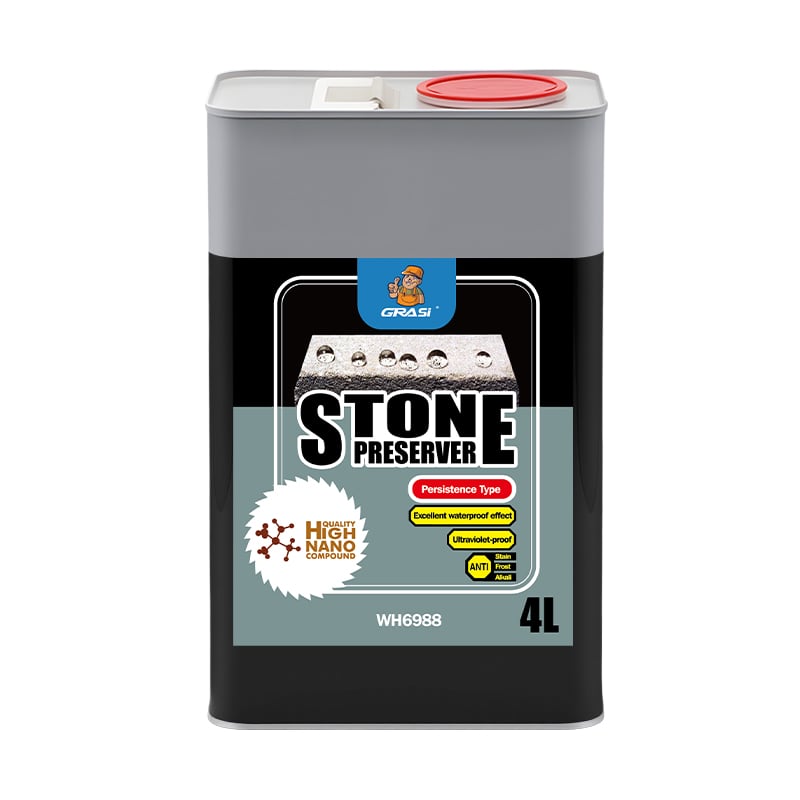
A stone sealer works by creating a protective barrier that penetrates the porous structure of natural stone, preventing liquids, stains, and contaminants from becoming embedded. In commercial environments where high volumes of people and equipment traffic are common, this protective mechanism becomes essential for maintaining both the visual quality and structural integrity of stone surfaces throughout the building lifecycle.
How Stone Sealer Creates a Protective Barrier
The Science Behind Stone Sealer Application
Stone sealer functions through a chemical bonding process that adheres to the mineral composition of natural stone. When properly applied, a stone sealer fills microscopic pores and capillaries within the stone matrix, creating a hydrophobic and oleophobic surface that repels water and oil-based liquids. This barrier prevents moisture infiltration, which is the primary cause of freeze-thaw damage, salt crystallization, and biological growth in commercial buildings.
The molecular structure of an effective stone sealer determines its performance characteristics. Premium formulations create a durable film that resists foot traffic wear while maintaining the natural appearance and breathability of the stone. Different types of stone sealer products are engineered for specific stone types and environmental conditions, ranging from solvent-based penetrating sealers to water-based acrylic options, each offering distinct durability profiles and aesthetic outcomes.
Stone Sealer Penetration Depth and Coverage
The depth to which a stone sealer penetrates depends on stone porosity, application technique, and product formulation. Granite, with relatively lower porosity, requires different stone sealer formulations than highly porous limestone or sandstone. Professional application of stone sealer ensures complete coverage across all exposed surfaces, including vertical walls, horizontal floors, and decorative elements, providing uniform protection against diverse environmental stressors in commercial spaces.
Protection Against Staining and Chemical Damage
Resistance to Common Commercial Contaminants
Commercial buildings encounter numerous potential staining agents including beverages, oil-based substances, acidic cleaners, and mineral deposits. A properly applied stone sealer creates a sacrificial layer that allows contaminants to be wiped away before they penetrate the stone itself. This stone sealer protection is particularly valuable in lobbies, hallways, restrooms, and cafeteria areas where spill incidents occur frequently and require rapid response without permanent marking.
Chemical resistance provided by a stone sealer prevents etching and discoloration from acidic substances commonly used in building maintenance. When stone sealer is maintained properly through periodic resealing and appropriate cleaning protocols, the stone surface remains resistant to deterioration from harsh cleaning agents, fertilizers, and environmental pollutants. This protection significantly reduces maintenance frequency and extends the visible lifespan of commercial stone installations.
UV and Weathering Protection
External stone surfaces in commercial buildings face constant ultraviolet radiation exposure, which can fade and alter the appearance of natural stone over time. Stone sealer formulations often include UV-protective components that shield the stone from photodegradation while maintaining color vibrancy. Combined with weather resistance, a quality stone sealer protects against temperature cycling, moisture infiltration, and freeze-thaw cycles that cause spalling and surface degradation in climates with seasonal variations.
Maintenance Benefits and Long-Term Value
Reduced Cleaning Requirements and Costs
When stone sealer is applied and maintained properly, routine cleaning becomes significantly easier and less frequent. The hydrophobic surface created by stone sealer prevents dirt and debris from adhering strongly to the stone, allowing facility managers to use gentler cleaning methods and fewer specialized products. This reduced maintenance intensity translates directly to lower labor costs and extended intervals between deep cleaning procedures, improving operational efficiency in commercial buildings with substantial stone installations.
The economic advantage of stone sealer protection becomes apparent over multi-year facility lifecycles. Buildings that invest in professional stone sealer application experience fewer unexpected stone restoration projects, replacement of damaged sections, and aesthetic remediation efforts. This preventative approach preserves capital budgets and allows facility managers to allocate resources toward other strategic improvements rather than reactive stone damage management.
Longevity and Durability Enhancement
Natural stone without stone sealer protection typically requires resurfacing, restoration, or replacement within 5 to 10 years in high-traffic commercial environments. Stone sealer application extends this timeline substantially, often doubling or tripling the serviceable lifespan of stone installations. The investment in quality stone sealer application during initial construction or during renovation projects represents superior long-term value compared to accepting accelerated stone degradation and frequent replacement cycles.
Aesthetic preservation is equally important as structural protection. A stone sealer maintains the original appearance, color depth, and surface finish that define the design intent of commercial spaces. This visual consistency supports brand presentation and creates professional environments that reflect well on organizations occupying these buildings. Regular maintenance and periodic stone sealer reapplication ensure continuous protection and aesthetic excellence throughout the building's operational lifetime.
FAQ
How often should stone sealer be reapplied to commercial building surfaces?
Stone sealer reapplication frequency depends on stone type, traffic volume, environmental exposure, and maintenance practices. High-traffic commercial areas typically require stone sealer resealing every 2 to 3 years, while lower-traffic zones may extend to 5 years or longer. Professional evaluation of surface water beading behavior provides a practical indicator of when stone sealer reapplication is necessary to maintain continuous protection.
Can stone sealer be applied to all types of natural stone used in commercial buildings?
Most natural stones benefit from stone sealer protection, though specific formulations vary based on stone composition and porosity. Granite and marble typically respond well to penetrating stone sealer products, while highly porous stones like limestone and sandstone may require different stone sealer types designed for their specific characteristics. Professional assessment determines the most appropriate stone sealer selection for each commercial stone application.
What is the difference between penetrating and membrane stone sealer products?
Penetrating stone sealer products absorb into the stone matrix, providing protection while maintaining the natural appearance and breathability of the material. Membrane stone sealer creates a surface film that offers superior stain resistance but may alter the stone's appearance and require more frequent reapplication. Commercial buildings typically choose between these stone sealer types based on aesthetic preferences, traffic levels, and maintenance capabilities.