 EN
EN

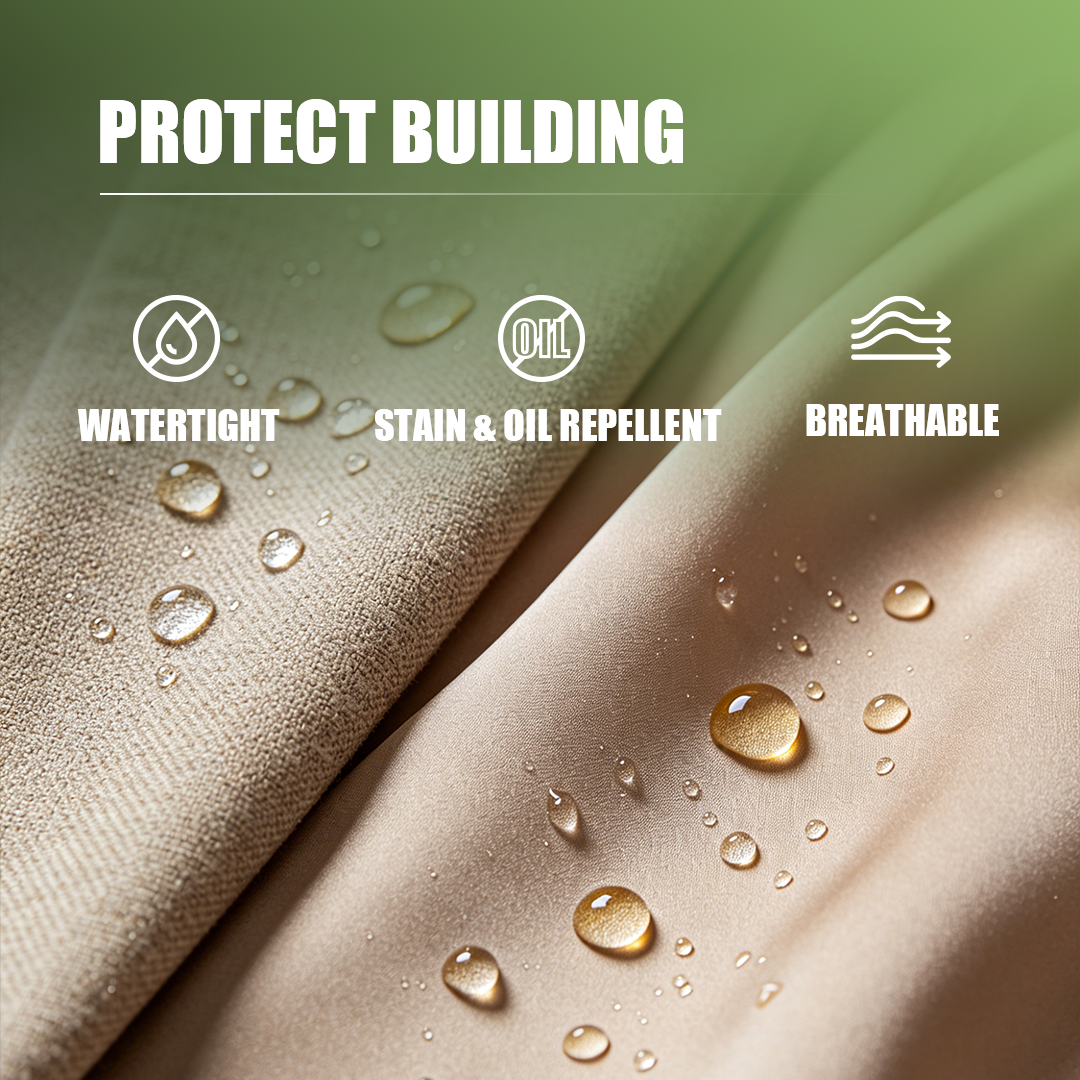
Long-lasting protection represents one of the most compelling advantages of nano coating technology in modern industrial and commercial applications. Understanding why nano coating delivers sustained protection helps businesses make informed decisions about surface preservation strategies. Nano coating forms a molecular-level barrier that fundamentally transforms how surfaces resist environmental stressors, chemical exposure, and physical wear over extended periods.
The durability advantage of nano coating stems from its unique molecular structure and adhesion properties. When applied correctly, nano coating creates a protective layer measured in nanometers that bonds tightly to substrate surfaces, preventing premature degradation. This scientific advancement allows nano coating to outperform traditional protective coatings significantly, delivering protection that lasts months or even years longer without requiring intensive maintenance interventions.
Molecular Structure and Protective Longevity
How Nano Coating Achieves Extended Durability
Nano coating achieves exceptional longevity through its advanced molecular composition. The nano particles in nano coating interlock at the atomic level with substrate materials, creating an incredibly strong bond that resists environmental degradation. This molecular-level connection explains why nano coating maintains its protective properties over extended timeframes, whereas conventional coatings often fail at surface interfaces where adhesion breaks down.
The chemical resilience of nano coating derives from its resistance to oxidation, UV radiation, and moisture penetration. Each nano coating application creates multiple protective barriers that work synergistically to shield underlying surfaces. These layered defenses mean that even when environmental stressors attack the outermost nano coating layer, deeper protective zones remain intact and functional, maintaining comprehensive surface defense throughout the product lifecycle.
Protection Against Environmental Degradation
Environmental exposure represents the primary threat to surface integrity in industrial settings. Nano coating protects against moisture intrusion that typically causes corrosion and structural compromise. By creating a hydrophobic barrier, nano coating prevents water molecules from reaching substrate surfaces, eliminating the electrochemical reactions that trigger rust formation and material degradation.
UV radiation poses another significant durability challenge that nano coating addresses effectively. Unlike conventional coatings that degrade under sun exposure, nano coating maintains its structural integrity despite prolonged ultraviolet radiation. This UV resistance means that nano coating preserves surface appearance and protective function across outdoor applications, industrial facilities, and environments with intense solar exposure throughout its service life.
Reduced Maintenance Requirements and Cost Efficiency
Extended Service Life Between Reapplication Cycles
Long-lasting protection directly translates to substantial cost savings through extended intervals between maintenance and reapplication. Traditional protective coatings often require annual or biannual replacement, creating recurring labor expenses and material costs. In contrast, nano coating extends these intervals significantly, with many applications maintaining protective function for three to five years or longer without requiring complete reapplication, depending on environmental conditions and specific nano coating formulations.
The longevity advantage of nano coating becomes especially valuable in industrial operations where surface downtime disrupts production schedules. By reducing maintenance frequency, nano coating minimizes operational interruptions and allows facilities to maintain consistent production output. This operational continuity creates measurable business value beyond the direct material and labor savings associated with fewer reapplication cycles required for nano coating maintenance.
Maintenance Simplification Through Protective Durability
Nano coating simplifies maintenance workflows by maintaining its protective properties over extended periods without degradation. Standard protective coatings require frequent cleaning, touch-ups, and monitoring to remain effective. With nano coating, maintenance teams can shift from intensive preventive care to simple periodic monitoring, freeing resources for other operational priorities while maintaining superior surface protection throughout the nano coating service life.
The self-cleaning properties inherent to many nano coating formulations further reduce maintenance burden. These nano coating variants repel dirt, dust, and contaminants, keeping surfaces cleaner with minimal manual intervention. Combined with the fundamental durability advantages of nano coating, this self-cleaning characteristic creates a maintenance-light solution that protects surfaces while reducing operational labor requirements substantially.
Superior Performance Across Diverse Industrial Applications
Nano Coating in High-Stress Environments
Industrial environments subject surfaces to extreme stressors including chemical exposure, temperature fluctuations, and mechanical abrasion. Nano coating excels in these demanding conditions because its molecular structure resists chemical reactions and thermal stress that compromise conventional coatings. Whether protecting metal substrates in chemical processing facilities or ceramic surfaces in high-temperature applications, nano coating delivers consistent long-lasting protection where other protective technologies fail prematurely.
The versatility of nano coating across material types enhances its value in complex industrial operations. Stone surfaces benefit from nano coating protection that prevents staining and moisture intrusion while maintaining natural aesthetics. Metal substrates protected by nano coating resist corrosion and oxidation through molecular-level barriers. Glass and ceramic applications gain enhanced durability and easier maintenance through nano coating's specialized protective properties tailored to each material's unique characteristics.
Performance Consistency and Predictability
Long-lasting protection from nano coating delivers predictable performance that industrial operations require for planning and budgeting. Unlike conventional coatings with variable degradation rates, nano coating maintains consistent protective function throughout its documented service life. This predictability allows facility managers to schedule maintenance with confidence, plan capital expenditures accurately, and demonstrate compliance with asset management requirements based on nano coating's proven durability performance.
The reliability of nano coating protection extends operational lifespan for treated assets and infrastructure. Stone monuments, architectural features, and industrial equipment protected by nano coating maintain their functionality and appearance far longer than untreated alternatives. This extended asset life reduces replacement cycles, lowers long-term ownership costs, and maximizes return on investment for organizations applying nano coating to their valuable assets and infrastructure.
FAQ
How long does nano coating protection actually last?
Nano coating protection typically lasts between three to five years under normal environmental conditions, with some formulations extending protection even longer. The specific duration depends on the nano coating formulation, application thickness, environmental exposure intensity, and substrate material type. Industrial settings with extreme chemical or UV exposure may see shorter protection intervals, while controlled indoor environments protected by nano coating often experience extended durability beyond five years. Consulting with nano coating manufacturers about your specific application conditions provides accurate longevity expectations for your situation.
Why is nano coating more durable than traditional protective coatings?
Nano coating achieves superior durability through molecular-level bonding that traditional coatings cannot match. While conventional coatings sit primarily on surface layers, nano coating particles penetrate and interlock with substrate material at atomic scales, creating exponentially stronger adhesion. This molecular integration means nano coating resists peeling, flaking, and separation that prematurely fail traditional protective coatings. Additionally, nano coating's chemical composition resists oxidation and degradation far more effectively than conventional coating chemistries, maintaining protective integrity throughout extended service periods.
Can nano coating reduce maintenance costs for industrial facilities?
Nano coating substantially reduces maintenance costs by extending intervals between reapplication and simplifying cleaning requirements. Facilities replacing conventional coatings annually or biannually can often achieve three to five year protection intervals with nano coating, eliminating multiple reapplication cycles and associated labor expenses. Self-cleaning properties of many nano coating formulations further reduce maintenance labor by preventing dirt and contaminant accumulation. When calculated across multiple assets and years of operation, nano coating maintenance cost savings often exceed initial application costs, delivering strong financial returns through reduced operational spending.