 EN
EN

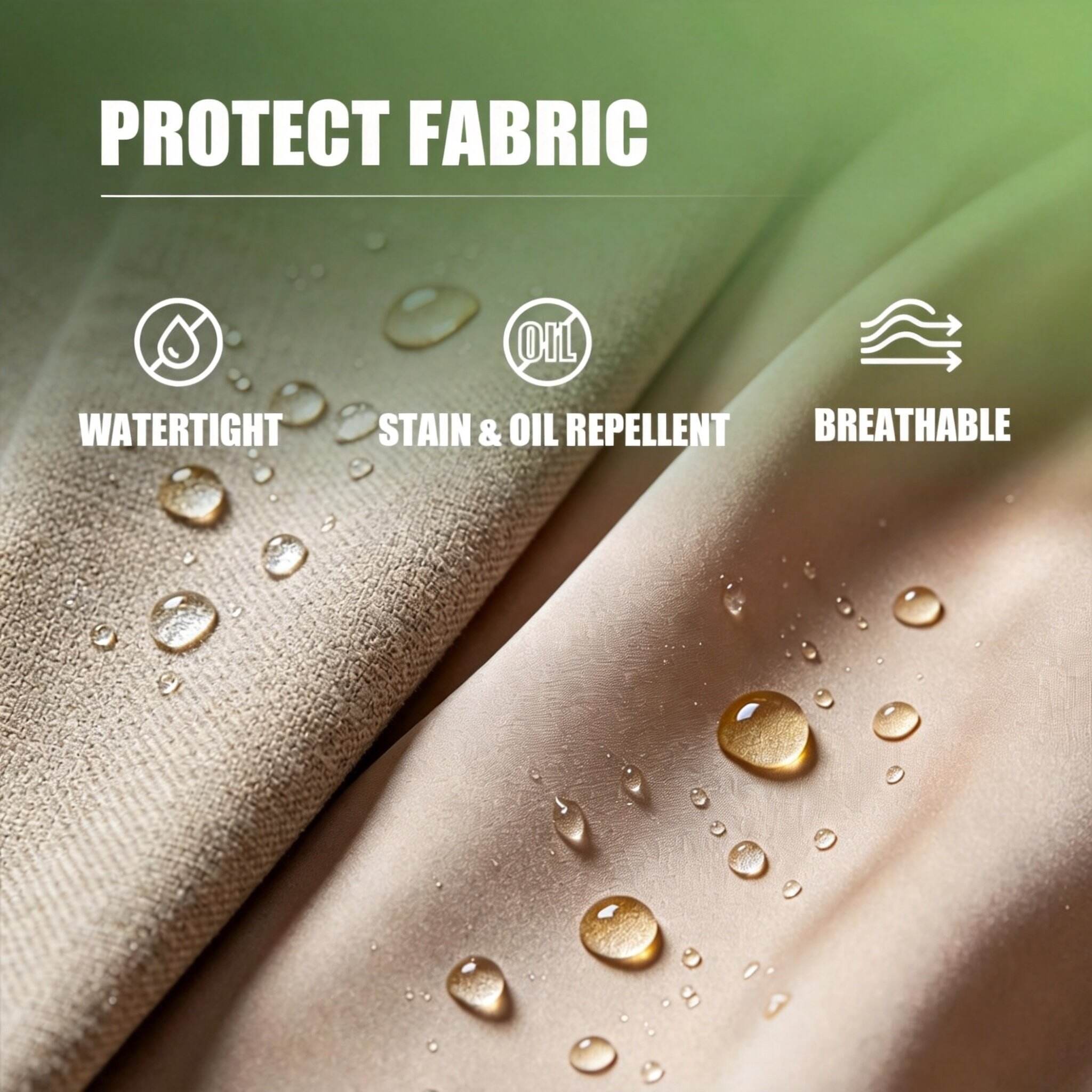
A fabric protector spray is one of the most practical tools available for preserving upholstery, garments, and industrial textiles. Yet despite its wide adoption in both consumer and B2B settings, many users unknowingly make application mistakes that significantly reduce the effectiveness of a fabric protector spray. Understanding what goes wrong during application is the first step toward getting real, lasting performance from your product.
Whether you are managing a commercial upholstery business or protecting high-value fabric assets in a hospitality or automotive setting, the way you apply a fabric protector spray matters as much as the quality of the product itself. This article identifies the most common application errors and explains exactly how they undermine protection, so you can avoid them and maximize results with every use of a fabric protector spray.
Surface Preparation Mistakes
Applying to Unclean or Damp Fabric
One of the most damaging mistakes you can make when using a fabric protector spray is applying it to fabric that has not been properly cleaned. Dirt, oils, and residues on the fabric surface act as barriers between the protective coating and the textile fibers. When a fabric protector spray is applied over contamination, it bonds to the surface layer of grime rather than penetrating the actual fiber, leaving the underlying material completely unprotected.
Moisture is an equally serious problem. A fabric protector spray relies on proper adhesion to dry fibers to create an effective barrier. Applying it to damp or wet fabric disrupts the bonding process and causes the active ingredients to dilute and spread unevenly. Always ensure the fabric is clean and completely dry before any application of a fabric protector spray.
Ignoring Fabric Compatibility
Not all textiles respond the same way to a fabric protector spray. Applying a product to an incompatible fabric type, such as using a standard fabric protector spray on high-heat or chemically sensitive synthetic blends, can lead to discoloration, stiffening, or premature degradation. Before using a fabric protector spray on any new fabric type, always test a small hidden area first. The test patch reveals how the specific textile will respond and prevents costly damage to full surfaces.
Application Technique Errors
Incorrect Spray Distance and Coverage
The physical technique used when applying a fabric protector spray directly determines how evenly the protective layer is distributed. Many users hold the spray can or applicator either too close or too far from the surface. When the nozzle is too close, the fabric protector spray saturates a small area excessively, creating pooling and uneven coating that dries inconsistently. When held too far away, the mist disperses before reaching the surface and the fabric protector spray delivers insufficient coverage.
The standard recommendation for most fabric protector spray products is to maintain a distance of approximately 10 to 15 centimeters from the fabric surface. Using slow, even sweeping strokes ensures each area receives a uniform layer. Rushing through coverage or missing sections leaves unprotected zones that invite staining and wear, completely defeating the purpose of the fabric protector spray.
Single-Layer Application on High-Demand Surfaces
For fabrics exposed to heavy daily use, a single coat of fabric protector spray is rarely sufficient. Many users apply only one thin layer and expect full protection, but high-traffic upholstery or outdoor textiles require at least two coats of fabric protector spray applied with adequate drying time in between. Skipping additional layers means the protective barrier is thinner than required, making the fabric vulnerable to penetration by liquids, oils, and contaminants far sooner than expected. A well-applied multi-coat fabric protector spray treatment dramatically extends the useful protection period.
Curing and Post-Application Mistakes
Insufficient Drying and Curing Time
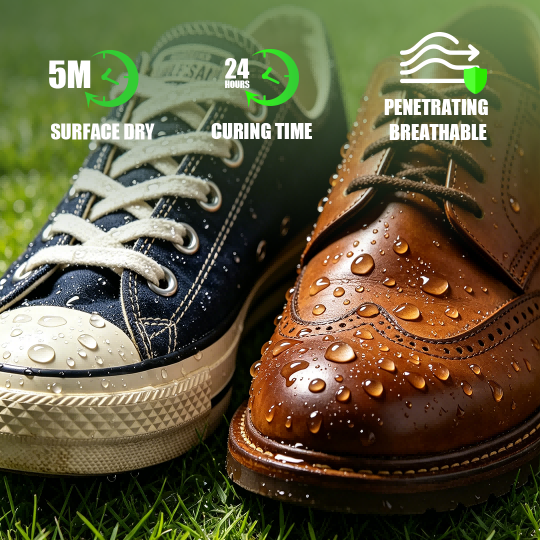
Even when a fabric protector spray is applied correctly, many users immediately expose treated fabric to use before the product has fully cured. A fabric protector spray requires a defined curing period to complete the molecular bonding process that creates a protective barrier. Using the fabric too soon, placing weight on it, or exposing it to moisture before curing is complete disrupts this bonding. The result is a fabric protector spray that provides only partial or uneven protection. Always follow the manufacturer's stated curing time, which typically ranges from a few hours to 24 hours depending on the specific fabric protector spray formula and environmental conditions.
Applying in Unsuitable Environmental Conditions
Temperature, humidity, and ventilation all affect how a fabric protector spray performs during and after application. Applying a fabric protector spray in high-humidity environments slows evaporation and extends the curing period unpredictably. Cold temperatures below the product's recommended application range reduce the spray's viscosity and spreading ability, leading to patchy coverage. Direct sunlight or high heat during application can cause a fabric protector spray to dry too quickly on the surface before penetrating the fiber structure. Always apply a fabric protector spray in a controlled, well-ventilated environment within the temperature and humidity range specified on the product label.
FAQ
How often should I reapply fabric protector spray?
The reapplication frequency for a fabric protector spray depends on the level of use and environmental exposure. High-traffic surfaces typically benefit from reapplication of a fabric protector spray every three to six months, while lightly used fabrics may maintain protection for up to a year. Regular inspection for reduced water beading is a practical signal that reapplication of your fabric protector spray is needed.
Can fabric protector spray be used on all fabric types?
Not every fabric protector spray is formulated for all textile types. Most standard fabric protector spray products work well on polyester, nylon, cotton, and upholstery blends. However, delicate fabrics like silk or open-weave textiles may require a specifically formulated fabric protector spray. Always read the product specifications and run a compatibility test patch before full application of a fabric protector spray on unfamiliar materials.
Does washing fabric remove the fabric protector spray coating?
Washing can reduce or remove the protection provided by a fabric protector spray, especially with harsh detergents or high-temperature machine washing. After laundering treated fabrics, it is recommended to inspect and reapply a fabric protector spray to restore the protective barrier. Following the care instructions provided with your specific fabric protector spray product ensures the coating lasts as long as possible between washes.