 EN
EN

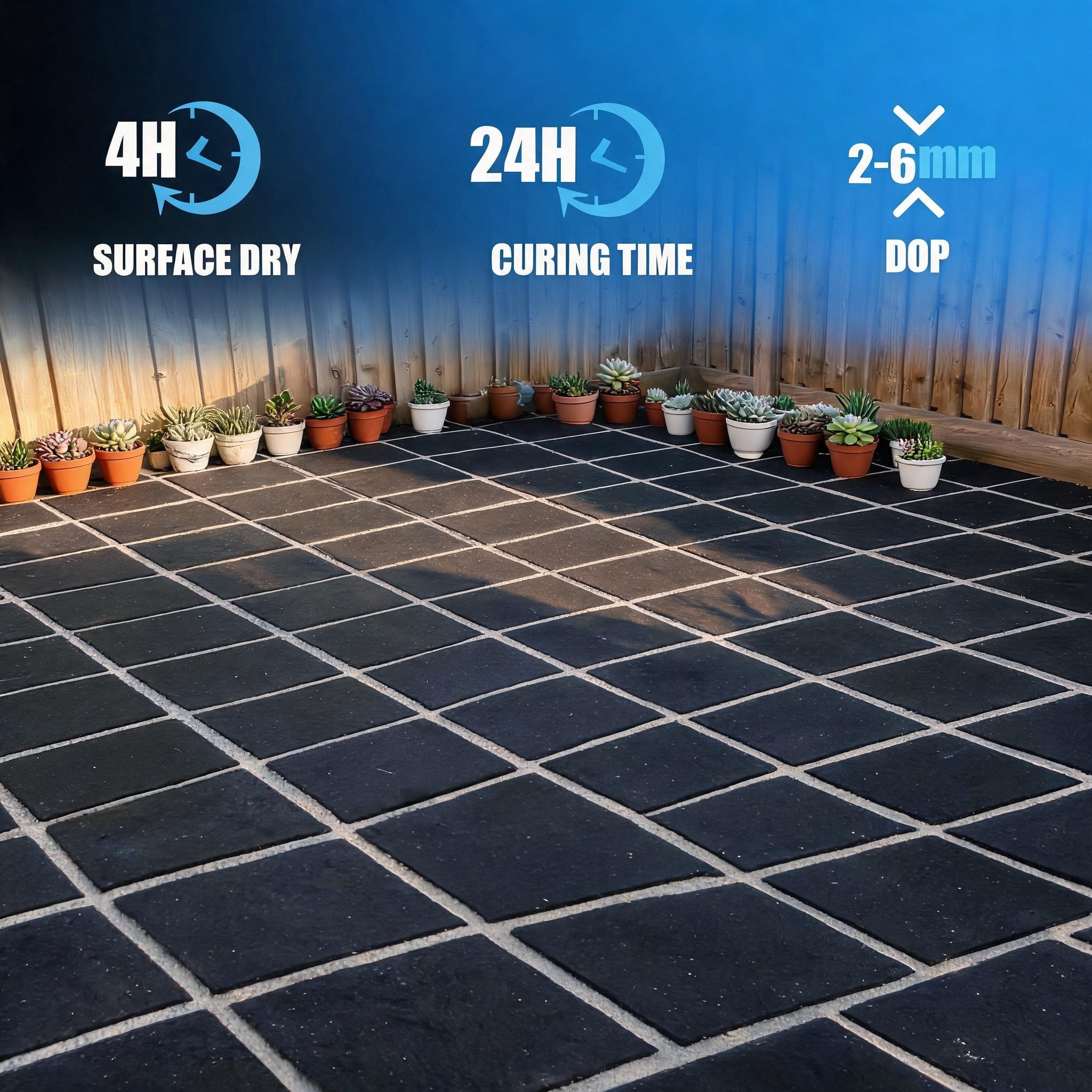
Natural stone surfaces like granite and marble represent significant investments in any kitchen or bathroom renovation. Yet many property owners underestimate the importance of maintaining these beautiful surfaces with proper protection. A stone countertop sealer serves as a critical barrier that prevents water penetration, stain absorption, and degradation of the stone's natural qualities. Understanding why stone countertop sealer matters is essential for anyone who wants to preserve the appearance and structural integrity of granite and marble countertops over years of daily use.
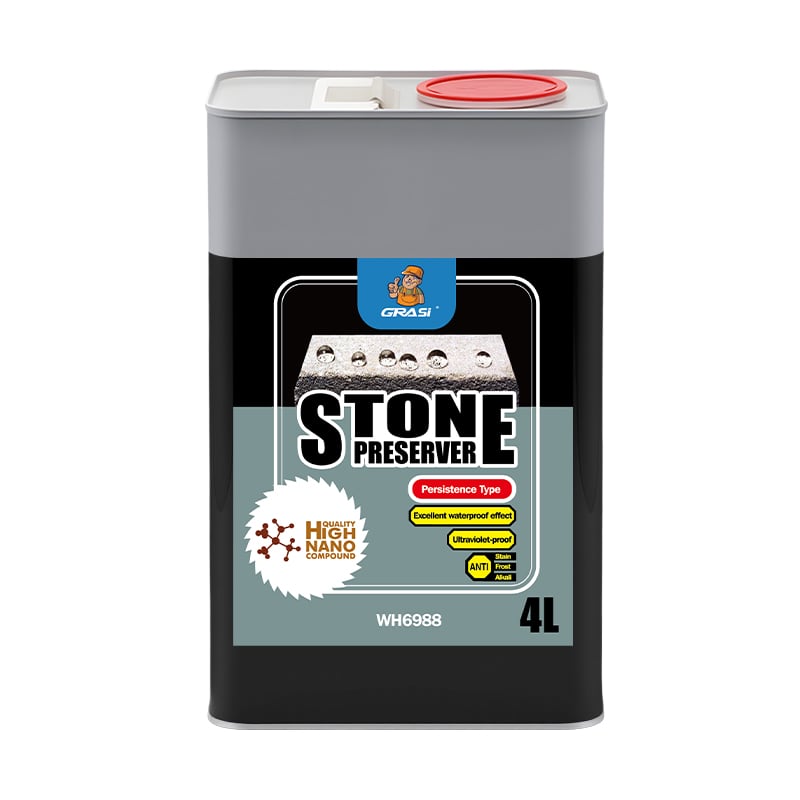
Without proper sealing protection, granite and marble countertops become vulnerable to permanent damage that no amount of cleaning can reverse. Water molecules, acidic spills, oils, and everyday contaminants can penetrate into the microscopic pores of unprotected stone, causing stains, etching, and loss of luster. The stone countertop sealer creates an invisible protective layer that sits on the surface and within the stone's upper layers, actively repelling moisture and preventing chemical damage. This protective mechanism is why stone countertop sealer has become indispensable for homeowners and commercial establishments seeking long-term value from their stone investments.
How Stone Countertop Sealer Protects Your Investment
Water and Moisture Resistance
Granite and marble are porous materials, meaning they contain countless tiny openings throughout their structure. When water sits on an unsealed surface, it gradually seeps into these pores and can cause internal damage, discoloration, and even structural weakening over time. A stone countertop sealer fills and coats these pores, creating a hydrophobic barrier that causes water to bead up and roll away rather than absorb into the stone. This water resistance is particularly crucial in kitchens and bathrooms where moisture exposure is constant. The stone countertop sealer essentially gives your countertop a rain coat, ensuring that everyday water splashes, coffee spills, and humidity cannot penetrate the stone's interior.
Stain Prevention and Easy Cleanup
One of the most visible benefits of stone countertop sealer is its ability to prevent permanent staining from oils, wine, juice, and other common household substances. Unsealed marble and granite absorb these liquids, leaving behind visible marks that become increasingly difficult to remove as time passes. Stone countertop sealer creates a protective shield that prevents oils and colored liquids from bonding to the stone surface. This means spills can be wiped away quickly without worry, and your countertop maintains its original appearance and color. The stone countertop sealer transforms daily maintenance from a stressful task into simple, routine cleaning that takes seconds rather than hours of specialized treatment.
Key Reasons Stone Countertop Sealer Adds Long-Term Value
Preservation of Natural Beauty and Finish
Granite and marble surfaces derive their value and appeal from their natural patterns, colors, and polished finishes. Exposure to moisture, acidic substances, and UV light gradually dulls and discolors unsealed stone, diminishing its visual appeal and the property's overall aesthetic value. Stone countertop sealer maintains the stone's original luster by preventing the surface degradation that naturally occurs with exposure to environmental stressors. The sealer keeps the stone looking as pristine as the day of installation, preserving the investment you made in selecting premium materials. With stone countertop sealer applied regularly, your countertops remain a showcase feature of your home rather than developing a weathered, aged appearance prematurely.
Cost Effectiveness and Durability Extension
Replacing stone countertops is an extremely expensive undertaking, often costing thousands of dollars in materials and labor. Stone countertop sealer represents a minimal investment compared to the cost of premature replacement or refinishing. By protecting the stone from damage that shortens its usable lifespan, stone countertop sealer essentially extends the life of your countertops by many years. The protection it provides prevents damage that would otherwise require expensive restoration services or complete replacement. Property owners who apply stone countertop sealer regularly find that their countertops maintain resale value and functionality far longer than unprotected surfaces, making sealing one of the smartest maintenance investments available.
Understanding When and How Stone Countertop Sealer Works Best
Application Timing and Frequency
Stone countertop sealer effectiveness depends on proper application timing and regular reapplication according to the product's specifications. Most stone countertop sealer products require application to clean, dry surfaces and should be applied within the first few weeks after stone installation or refinishing. The frequency of reapplication varies based on the stone type, the specific sealer formula, and the intensity of use, but most stone countertop sealer applications require renewal every one to three years. High-traffic commercial kitchens may require more frequent stone countertop sealer applications than residential kitchens with lighter use. Understanding the reapplication schedule for your specific stone countertop sealer ensures continuous protection and prevents gaps in the protective barrier that could allow damage to occur.
Compatibility with Different Stone Types
Different stone varieties have varying porosity levels and chemical compositions that affect how stone countertop sealer interacts with them. Marble, being more porous than granite, typically benefits significantly from stone countertop sealer application and may require more frequent reapplication. Granite variations also differ in porosity, with lighter colors often being more porous than darker varieties, which influences stone countertop sealer effectiveness. Some exotic granite and marble materials have unique mineral compositions that may require specialized stone countertop sealer formulations for optimal protection. Before applying any stone countertop sealer product, verify that it is compatible with your specific stone type to ensure maximum effectiveness and prevent potential surface damage from incompatible chemical reactions.
FAQ
Does stone countertop sealer really prevent all stains?
While stone countertop sealer significantly reduces staining risk by creating a protective barrier, it does not provide absolute stain immunity in all circumstances. Highly acidic substances or those left to sit for extended periods may still potentially cause damage, though stone countertop sealer delays penetration and makes cleanup much easier. The key is that stone countertop sealer makes spill management straightforward, allowing you to clean quickly before any damaging absorption occurs. Regular stone countertop sealer reapplication maintains this protective advantage throughout the year.
Can I apply stone countertop sealer myself, or do I need a professional?
Many stone countertop sealer products are designed for DIY application and include clear instructions for homeowner use. However, professional application of stone countertop sealer often ensures more thorough coverage and proper technique that maximizes the product's protective effectiveness. If you choose DIY stone countertop sealer application, carefully follow all manufacturer instructions, prepare the surface properly, and allow adequate curing time before resuming normal use of your countertops.
How long does stone countertop sealer last after application?
The duration of stone countertop sealer protection depends on the product type, stone porosity, and usage intensity, with most applications lasting between one and three years. Premium-quality stone countertop sealer formulations may provide extended protection compared to standard options. Periodic testing with water droplets can help you determine when stone countertop sealer reapplication becomes necessary, as water beading diminishes as the protective layer ages.