 EN

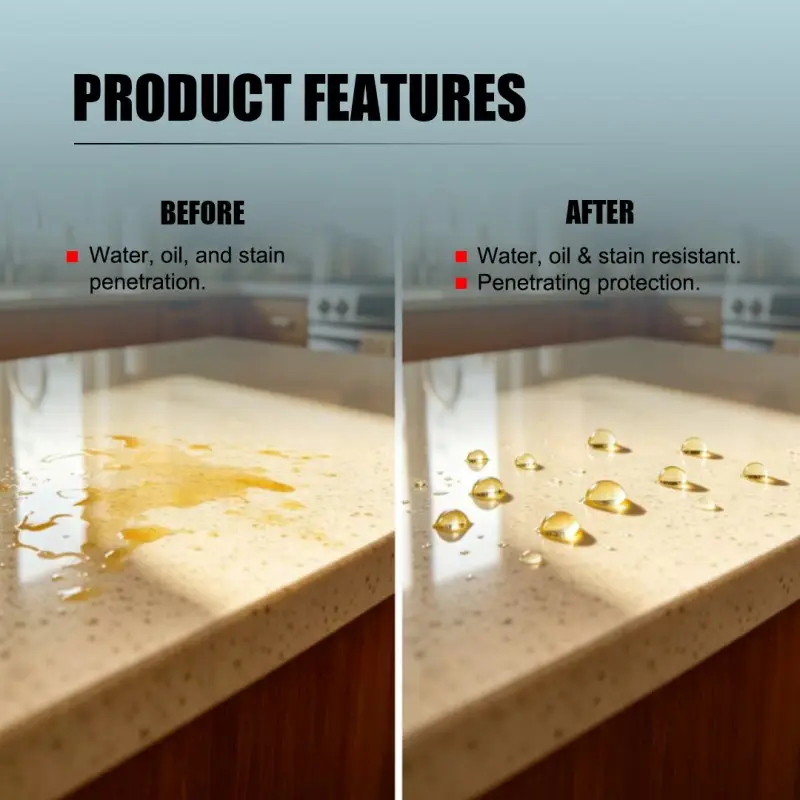
Understanding the protection performance of your stone countertop sealer is essential for making informed decisions about which products will best safeguard your investment. Testing stone countertop sealer reveals critical information about durability, water resistance, stain prevention, and long-term effectiveness. Property owners and contractors alike need reliable methods to evaluate whether a stone countertop sealer truly delivers the protection it promises before applying it to valuable surfaces.
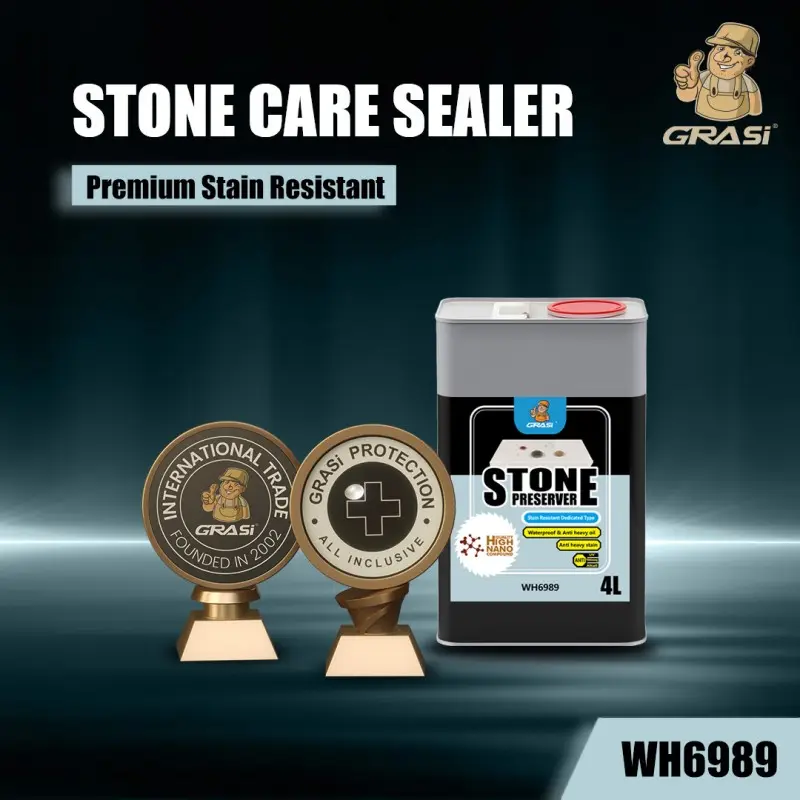
When you test a stone countertop sealer properly, you gain confidence that it will perform under real-world conditions including spills, moisture exposure, and daily use. The right testing protocols eliminate guesswork and help you identify products that offer genuine, measurable protection. This article explores the primary testing methods that demonstrate stone countertop sealer protection performance and explains what results mean for your specific applications.
Water Absorption and Penetration Testing
Standard Water Drop Tests
One of the most straightforward ways to test stone countertop sealer is the water drop absorption test. This method involves applying small water droplets to sealed stone surfaces and measuring how quickly the water beads up or absorbs into the material. A quality stone countertop sealer should cause water to bead and roll off rather than spread flat across the surface. Testing typically uses distilled water at room temperature, and you observe the contact angle and absorption rate within one to five minutes. If water immediately penetrates the stone or spreads across the surface without beading, the stone countertop sealer has likely failed to provide adequate hydrophobic protection.
Moisture Penetration Depth Measurement
More rigorous testing of stone countertop sealer involves measuring exactly how deep moisture penetrates sealed stone samples. Laboratory testing cuts sealed stone samples and exposes them to controlled moisture conditions, then measures the depth of water penetration after specific time intervals. This quantitative approach reveals whether a stone countertop sealer creates a genuine barrier or merely slows absorption. Effective products should show minimal penetration depth, typically measured in millimeters or less, after 24 to 72 hours of continuous exposure. This data directly demonstrates the protective capability of the stone countertop sealer under challenging conditions.
Oil and Stain Resistance Performance
Common Liquid Resistance Testing
Testing stone countertop sealer with common household liquids like cooking oil, lemon juice, wine, and coffee reveals how well the product guards against everyday staining hazards. Controlled testing applies these substances to sealed and unsealed stone samples side by side, leaving contact for standardized periods such as one hour or overnight. The stone countertop sealer's performance is assessed by whether staining occurs, how deeply discoloration penetrates, and whether the mark can be easily wiped away. High-quality sealer products should prevent or significantly minimize staining from acidic liquids and oils, demonstrating superior stone countertop sealer protective capability. This type of testing directly correlates to real-world kitchen and bathroom scenarios where spills are inevitable.
Color Change and Etching Evaluation
When testing stone countertop sealer against aggressive substances, color change and surface etching become measurable performance indicators. Acidic or alkaline test liquids are applied to sealed samples and evaluated using standard color measurement tools or visual comparison charts. A properly formulated stone countertop sealer should minimize visible discoloration and prevent etching or dulling of the stone surface. Testing protocols may include exposure to highly acidic substances like vinegar or citrus products to stress-test the stone countertop sealer's resistance limits. Results demonstrating minimal etching and color retention indicate that the sealer provides meaningful aesthetic and functional protection beyond basic water repellency.
Durability and Wear Resistance Assessment
Traffic Simulation and Surface Abrasion
Long-term durability testing of stone countertop sealer simulates repeated foot traffic, cleaning cycles, and mechanical wear through standardized abrasion tests. Laboratory equipment applies controlled scrubbing, brushing, or abrasive particle contact to sealed surfaces while measuring how quickly the protective layer degrades. A durable stone countertop sealer should withstand thousands of abrasion cycles while maintaining its water-repellent and stain-resistant properties. Testing results show how many years or cleaning cycles you can expect from the stone countertop sealer before reapplication becomes necessary. This performance data helps contractors and homeowners plan maintenance schedules and understand the true cost of ownership for different sealer products.
Chemical Resistance and Repeated Exposure
Comprehensive testing of stone countertop sealer includes exposure to harsh household chemicals, cleaners, and disinfectants that accumulate over time in real kitchens and bathrooms. Sealed samples undergo repeated contact with bleach-based cleaners, alkaline degreasers, and acidic bathroom cleaners while maintaining the stone countertop sealer's integrity. Testing evaluates whether the sealer degrades chemically, yellows, becomes brittle, or loses its water-repellent properties after dozens of cleaning exposures. Products that maintain consistent performance after repeated chemical contact demonstrate that the stone countertop sealer offers genuine long-term protection. This accelerated testing simulates several years of actual household use and helps predict real-world longevity of the stone countertop sealer.
Environmental and Performance Aging
UV Stability and Color Retention
Testing stone countertop sealer in UV exposure chambers reveals how well the protective coating resists fading, yellowing, and degradation when exposed to natural sunlight. Sealed stone samples are placed under controlled UV lamps that simulate months or years of sun exposure in a compressed timeframe. Evaluators measure color changes using spectrophotometry and assess whether the stone countertop sealer maintains its clarity and the stone's original appearance. High-quality stone countertop sealer should show minimal yellowing and preserve the stone's natural color even after extensive UV exposure. This testing method is particularly important for light-colored stones and applications near windows where UV exposure is significant.
Temperature Cycling and Environmental Stress
Environmental stress testing of stone countertop sealer involves repeated temperature cycling from hot to cold to evaluate thermal stability and adhesion durability. Sealed samples undergo multiple cycles of temperature extremes that mimic seasonal changes and kitchen heat exposure near stovetops or appliances. The stone countertop sealer is assessed for cracking, separation from the stone surface, or loss of protective properties after thermal stress. Testing protocols may include humidity changes alongside temperature cycling to simulate realistic environmental conditions. Products demonstrating stable performance through dozens of thermal cycles prove that the stone countertop sealer maintains its protective barrier under the variable conditions of actual residential use.
FAQ
How long should I wait after applying stone countertop sealer before testing water resistance?
Most stone countertop sealer products require 24 to 48 hours of curing time before water exposure testing, though specific recommendations vary by product formulation. Always follow the manufacturer's instructions, as testing too early may yield inaccurate results because the stone countertop sealer has not reached full hardness. Some laboratory-grade stone countertop sealer may require up to 72 hours for complete curing before meaningful performance data can be collected.
What water contact angle indicates a high-quality stone countertop sealer?
A quality stone countertop sealer typically produces a water contact angle greater than 90 degrees, meaning water beads up into a dome shape rather than spreading flat. Contact angles above 110 degrees indicate exceptional water repellency. However, the stone countertop sealer's actual performance also depends on how long water beads remain on the surface and whether absorption occurs after extended contact.
Can DIY testing methods accurately evaluate stone countertop sealer performance?
While simple DIY tests like water drop observation provide useful initial feedback, comprehensive evaluation of stone countertop sealer requires laboratory equipment for quantitative measurements, chemical analysis, and accelerated aging protocols. DIY testing can detect obvious sealer failure but cannot precisely measure penetration depth, chemical resistance, or predict long-term durability like controlled laboratory testing of stone countertop sealer can achieve.