 EN
EN

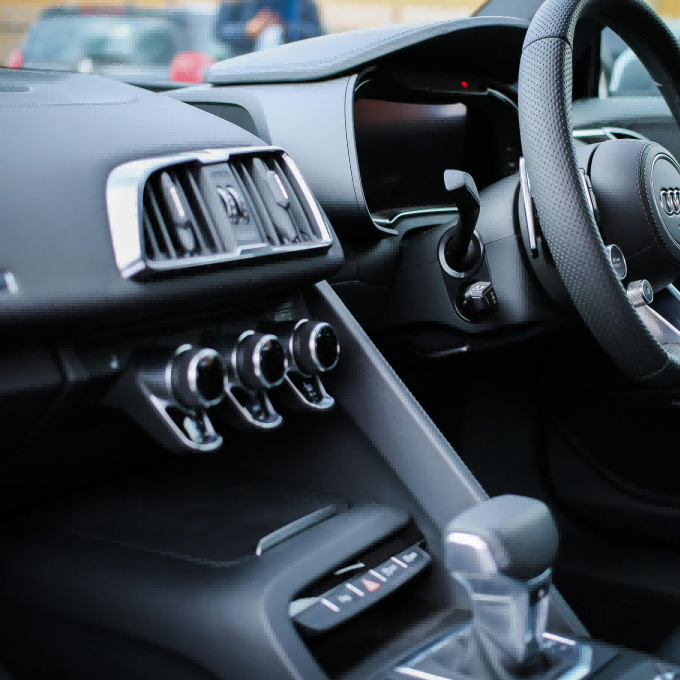
Using a car interior cleaner is one of the most effective ways to maintain a fresh, hygienic, and presentable cabin. However, applying a car interior cleaner without understanding the proper precautions can lead to damaged surfaces, discoloration, chemical residue, or even health risks. Whether you are cleaning leather seats, fabric upholstery, plastic trim, or dashboard panels, each material responds differently to a car interior cleaner. Knowing what to watch for before, during, and after the process makes all the difference.
Many vehicle owners underestimate how much damage can result from improper use of a car interior cleaner. Overapplication, skipping patch tests, poor ventilation, and using the wrong car interior cleaner formula for a specific surface are common mistakes. This guide covers the most critical precautions you must take when using a car interior cleaner so that every cleaning session protects rather than harms your vehicle's interior.
Surface Compatibility and Pre-Application Checks
Matching the Car Interior Cleaner to the Right Material
Not every car interior cleaner is designed for all surfaces. A car interior cleaner formulated for fabric upholstery may contain surfactants that are too harsh for genuine leather or coated vinyl. Before applying any car interior cleaner, carefully read the product label to confirm it is compatible with the surface you intend to treat. Using the wrong car interior cleaner on a delicate material can cause cracking, fading, or irreversible staining.
Leather seats require a car interior cleaner with a pH-balanced, conditioning formula. Plastic and rubber trim areas need a car interior cleaner that does not leave greasy residue or cause brittleness over time. Fabric and carpet sections benefit from a car interior cleaner with deep-penetrating foam action. Always verify compatibility before committing the car interior cleaner to the full surface.
Conducting a Patch Test Before Full Application
Even when a car interior cleaner claims to be safe for multiple surfaces, conducting a patch test is a non-negotiable precaution. Apply a small amount of the car interior cleaner to an inconspicuous area, such as under the seat or on a hidden corner of the dashboard. Wait several minutes and observe whether the car interior cleaner causes discoloration, softening, or any adverse reaction before proceeding to the full area.
A patch test with a car interior cleaner takes only a few minutes but can save you from costly repairs. This step is especially important when switching to a new brand or using a car interior cleaner on aged or previously treated surfaces. The car interior cleaner should leave the test area looking clean without any altered texture or tone.
Safe Application Techniques and Ventilation
Controlling the Amount of Car Interior Cleaner Applied
One of the most frequent errors when using a car interior cleaner is applying too much product at once. Excess car interior cleaner can saturate foam cushions, seep into electronic components near the dashboard, or leave chemical residue after drying. Always apply the car interior cleaner in controlled, measured amounts using a microfiber cloth or applicator pad rather than spraying it directly onto sensitive surfaces in excess.
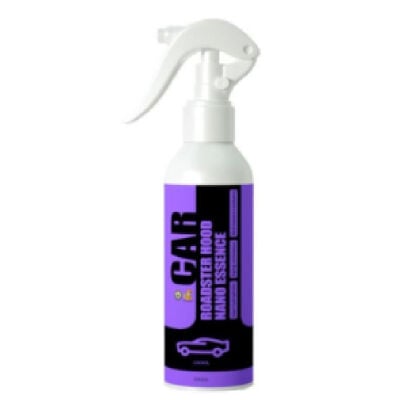
When using a car interior cleaner on electronic panels or areas near air vents, use a lightly dampened cloth rather than a direct spray. The car interior cleaner should be distributed evenly and worked into the surface gently. Avoid pooling the car interior cleaner in seams, stitching gaps, or button recesses where moisture can become trapped and promote mold growth.
Ensuring Adequate Ventilation During Cleaning
Many formulations of car interior cleaner contain solvents or active cleaning agents that release fumes during application. Working in a confined space without ventilation while using a car interior cleaner can cause dizziness, respiratory irritation, or prolonged chemical exposure. Always open all vehicle doors or perform the cleaning in an open, well-ventilated environment when using a car interior cleaner.
If you are particularly sensitive to chemical odors, wearing a light face mask while applying a car interior cleaner is a sensible precaution. After completing the cleaning session with a car interior cleaner, allow the cabin to air out fully before closing windows and doors. This helps any residual fumes from the car interior cleaner dissipate naturally and leaves the interior smelling fresh.
Post-Application Care and Surface Protection
Proper Drying and Residue Removal After Using Car Interior Cleaner
After applying a car interior cleaner, residue management is critical. If the car interior cleaner is not fully wiped away or allowed to dry properly, it can attract dust, create a sticky film, or leave streaks on glossy panels. Use a clean, dry microfiber towel to buff away excess car interior cleaner immediately after the recommended dwell time has passed.
For fabric areas treated with a car interior cleaner, ensure that the material dries completely before the vehicle is used again. A damp interior left after applying a car interior cleaner in humid conditions can become a breeding ground for mold and mildew. If necessary, use a low-heat fan or leave the doors open for an extended period after using the car interior cleaner.
Protecting Surfaces After the Car Interior Cleaner Has Been Applied
Once the car interior cleaner has done its job and the surfaces are clean, applying a compatible protectant or conditioner is strongly recommended. A car interior cleaner removes dirt and contaminants but also strips some of the natural oils from leather and certain coatings. Following up the car interior cleaner treatment with a protective product helps restore suppleness and guards against UV damage.
Regular use of a car interior cleaner as part of a scheduled maintenance routine reduces the need for aggressive deep cleaning later. Establishing a consistent cycle where the car interior cleaner is applied gently on a routine basis, rather than infrequently and aggressively, extends the life of all interior materials. Treating the car interior cleaner application as part of a broader care system rather than an isolated task leads to the best long-term results.
FAQ
Can I use a car interior cleaner on all types of upholstery?
Not all car interior cleaner products are universal. Always check that the car interior cleaner is specifically rated for the material you are treating. Leather, fabric, vinyl, and suede each require a car interior cleaner formula appropriate to that surface to avoid damage.
How often should I use a car interior cleaner?
The frequency depends on usage and environment, but applying a car interior cleaner every four to six weeks is a practical routine for most vehicles. High-traffic vehicles or those exposed to spills, dust, or strong sunlight may benefit from using a car interior cleaner more frequently.
Is ventilation really necessary when using a car interior cleaner?
Yes, ventilation is a critical precaution when using a car interior cleaner. Many car interior cleaner formulas release fumes that should not be inhaled in concentrated amounts. Always apply a car interior cleaner in an open or well-ventilated space to protect your respiratory health.