 EN
EN

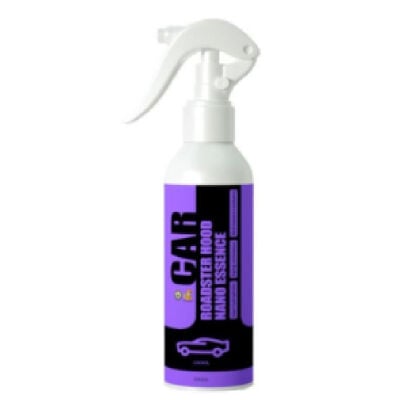
Choosing the right car interior cleaner matters far more than most drivers realize. A car interior cleaner that leaves behind sticky or filmy residue does not simply look unclean — it actively attracts more dust, traps allergens, and degrades the surfaces it was meant to protect. Low-residue formulas have become the preferred standard among professional detailers because they deliver a genuinely clean result without the hidden drawbacks that high-residue products bring. Understanding why a low-residue car interior cleaner outperforms conventional alternatives helps drivers and fleet managers make smarter maintenance decisions.
The concept of a low-residue car interior cleaner is straightforward: the formula dissolves grime, oils, and contaminants and then evaporates or wipes away completely, leaving no trace compounds on the treated surface. A quality car interior cleaner of this type works on dashboards, door panels, fabric seats, leather, plastic trims, and rubber gaskets without depositing a greasy or waxy layer. This clean-surface result is not just cosmetic. It is a functional benefit that extends the service life of interior components and maintains a healthier cabin environment for passengers.
Surface Protection and Material Longevity
How Residue Damages Interior Surfaces Over Time
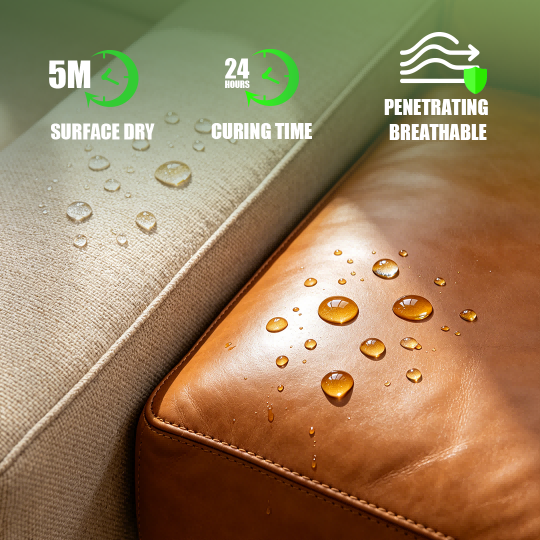
When a car interior cleaner leaves behind a chemical residue, that residue interacts continuously with UV light, heat, and friction. On plastic dashboards, residue can cause softening, discoloration, or micro-cracking over repeated application cycles. A car interior cleaner that deposits film onto leather upholstery can block the natural breathability of the material, leading to accelerated drying and cracking. Every time a residue-heavy car interior cleaner is used, it adds another layer of incompletely removed chemicals that compound the long-term damage. Low-residue car interior cleaner formulas avoid this cycle entirely by leaving surfaces chemically neutral after cleaning.
Compatibility Across Multiple Interior Materials
Modern vehicle interiors combine a wide range of materials — leather, vinyl, polycarbonate, foam-backed fabric, and matte-finish plastics. A car interior cleaner with high residue content risks reacting negatively with one or more of these materials. Low-residue car interior cleaner products are engineered with pH-balanced, non-reactive formulas that remain safe across all these surface types. Using the same car interior cleaner safely on every surface in the cabin reduces the risk of uneven treatment results and simplifies the detailing process. When a car interior cleaner works consistently across all materials, it supports better overall maintenance routines.
Health and Hygiene Benefits Inside the Cabin
Residue as a Magnet for Contaminants
Residue left by a conventional car interior cleaner behaves like a sticky trap inside the vehicle cabin. Dust particles, skin oils, pollen, and fine particulates adhere to the residue layer more quickly than they would to a clean, dry surface. This means that a residue-leaving car interior cleaner actually accelerates the rate at which the interior becomes dirty again. A low-residue car interior cleaner removes this mechanism entirely. After treatment with a proper car interior cleaner, surfaces remain smooth and low-tack, which means dust and allergens settle more loosely and are removed more easily during routine maintenance. For passengers who suffer from allergies or respiratory sensitivities, this difference is clinically meaningful.
Odor Control and Air Quality in the Vehicle
Many residue-heavy car interior cleaner products leave behind a strong artificial scent that masks rather than eliminates odors. This scent originates from solvent carriers and fragrance additives that remain on surfaces after application. A low-residue car interior cleaner uses formulas that fully break down and eliminate odor-causing bacteria and compounds rather than coating them with fragrance. The result is a vehicle cabin with genuinely improved air quality rather than a chemically masked smell. Drivers and passengers benefit from a fresher, more neutral interior environment when a truly effective car interior cleaner is used correctly and consistently.
Practical Efficiency and Application Advantages
Reduced Cleaning Time and Effort
A professional detailer using a high-quality car interior cleaner with a low-residue formula saves significant time per vehicle. Because the car interior cleaner leaves no film or sticky layer, there is no need for a secondary wipe-down pass to remove product buildup. With a residue-heavy car interior cleaner, detailers must often apply a neutralizing agent or perform multiple wipe cycles to achieve the same result that a low-residue car interior cleaner achieves in a single application. For fleet operators managing dozens of vehicles, this efficiency adds up to substantial time and cost savings. A reliable car interior cleaner that performs fully in one step is a practical advantage, not just a quality preference.
Longer Intervals Between Cleaning Sessions
Because a low-residue car interior cleaner leaves surfaces in a clean, non-tacky state, interiors stay cleaner for longer periods between sessions. Surfaces treated with this type of car interior cleaner do not attract contaminants as rapidly as residue-coated surfaces do. This extends the effective maintenance interval for each vehicle, reducing the frequency with which a car interior cleaner needs to be applied. For private vehicle owners, this means less time spent on interior maintenance. For commercial fleet managers, longer cleaning intervals directly reduce operational costs. The compounding efficiency benefit of choosing a low-residue car interior cleaner makes it the economically sound choice over time.
FAQ
What surfaces can a low-residue car interior cleaner be used on?
A low-residue car interior cleaner is formulated to be safe and effective on leather, vinyl, fabric, plastic, rubber, and polycarbonate surfaces. Because this type of car interior cleaner is pH-balanced, it does not cause chemical reactions or discoloration on sensitive materials. Always check the product label to confirm surface compatibility before applying any car interior cleaner to a new material type.
How often should a car interior cleaner be applied?
The recommended frequency for using a car interior cleaner depends on usage intensity. For daily-use vehicles, applying a car interior cleaner every four to six weeks is generally sufficient. Because a low-residue car interior cleaner does not leave buildup, there is no risk of over-application as long as the product instructions are followed correctly.
Does a low-residue car interior cleaner still protect surfaces after cleaning?
Yes. A high-quality low-residue car interior cleaner cleans and neutralizes surfaces without stripping protective coatings. Some formulas include light conditioning agents that maintain material flexibility. While a car interior cleaner is not a replacement for a dedicated protectant, a low-residue car interior cleaner preserves the natural surface condition far better than a residue-heavy alternative would.