 EN
EN
When contractors choose surface protection solutions for demanding projects, nano coating has become one of the most consistently recommended options across the industry. Whether the surface is glass, natural stone, or metal, nano coating delivers a level of protection and performance that traditional sealants and coatings simply cannot match. Understanding why professionals make this choice helps buyers, project managers, and facility owners make smarter decisions about surface care.
Nano coating works at the molecular level, bonding directly with the surface substrate to form an invisible yet highly effective protective barrier. Unlike thick paint-on layers or traditional wax treatments, nano coating does not alter the visual character of the material. Glass stays optically clear, stone retains its natural texture, and metal keeps its original finish — all while gaining dramatically improved resistance to environmental damage. This functional invisibility is one of the primary reasons contractors prefer nano coating for high-value architectural and industrial surfaces.
The Core Protective Benefits of Nano Coating
Repelling Water, Oil, and Contaminants
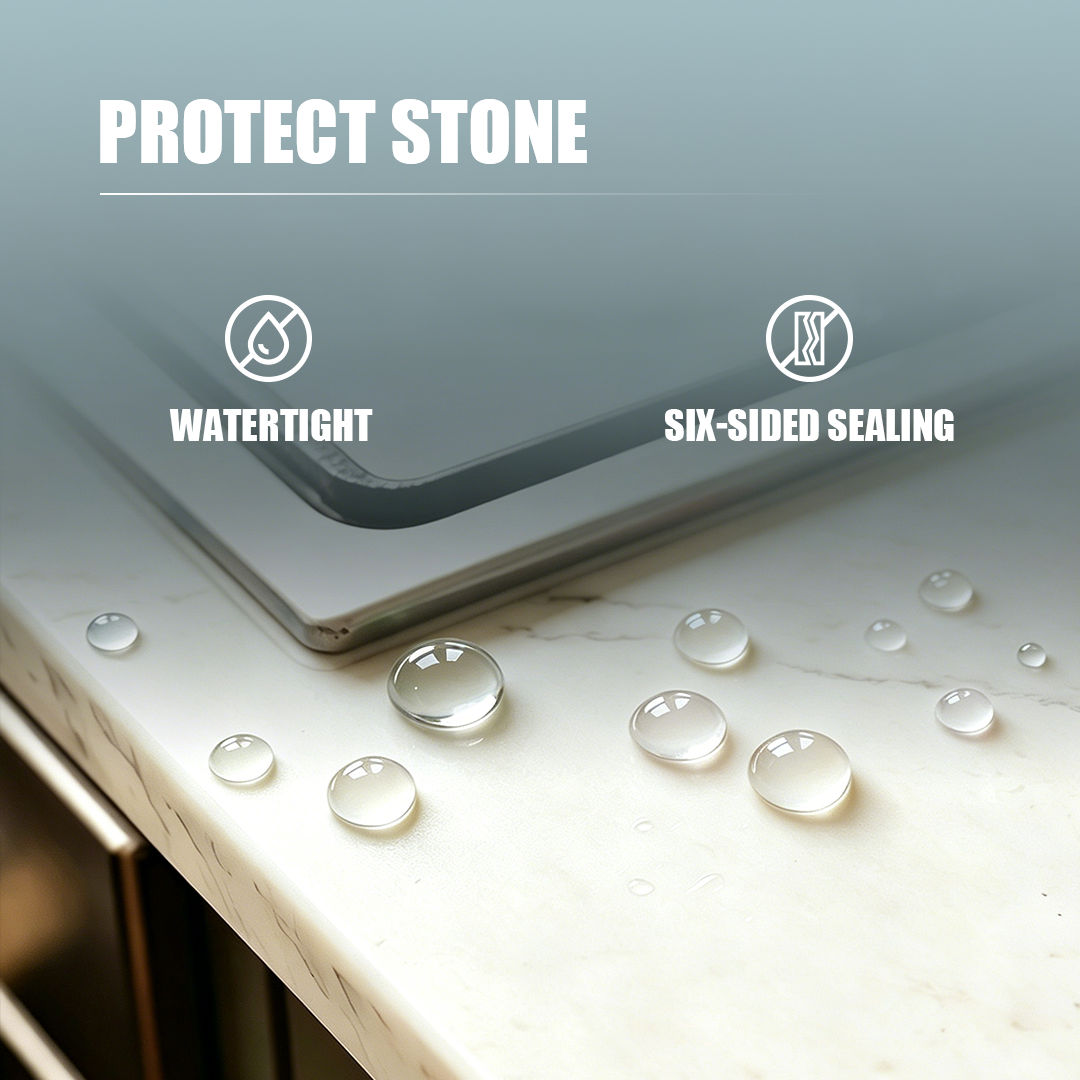
One of the most valued properties of nano coating is its ability to create a superhydrophobic and oleophobic surface. When nano coating is applied to glass, water beads up and rolls off, taking dirt and mineral deposits with it. This self-cleaning effect reduces maintenance frequency significantly, which translates directly into lower labor costs for contractors and building owners alike. On stone surfaces, nano coating prevents oil-based stains and moisture from penetrating the porous material, protecting expensive natural stone from permanent discoloration. On metal, nano coating blocks moisture ingress that would otherwise trigger corrosion, oxidation, and surface degradation over time.
Contractors who work on commercial facades, kitchen countertops, bathroom tiles, or industrial equipment all encounter the same fundamental challenge — keeping surfaces clean and intact under daily exposure. Nano coating addresses this challenge by making surfaces inherently easier to clean and far more resistant to the contaminants that cause premature wear. The result is a surface that performs better for longer, which is exactly what clients expect from a professional installation.
UV Resistance and Long-Term Durability
Another key reason contractors specify nano coating is its resistance to ultraviolet radiation. Prolonged UV exposure causes many materials to fade, chalk, or lose structural integrity. Nano coating forms a stable molecular bond that resists UV breakdown, helping glass maintain its clarity, stone preserve its color depth, and metal retain its coating without peeling or chalking. For outdoor projects — from curtain walls and stonework cladding to exposed metal railings — nano coating provides the kind of long-term durability that clients demand and contractors need to stand behind their work confidently.
Why Nano Coating Suits Glass, Stone, and Metal Equally Well
Adaptability Across Diverse Surface Types
One of the practical strengths of nano coating is that a single technology platform can be adapted for fundamentally different surface types. Glass, stone, and metal each have distinct surface chemistries, porosity levels, and exposure conditions. Yet nano coating formulations are engineered to bond with all three effectively. For glass, nano coating fills microscopic surface irregularities to reduce friction and static, making it harder for dust and grime to adhere. For stone, nano coating penetrates into the porous structure and lines the internal pathways that would otherwise absorb liquids. For metal, nano coating creates a continuous, pinhole-free barrier that isolates the substrate from corrosive agents in the environment.
This versatility is enormously valuable for contractors who manage multi-surface projects. Rather than sourcing and applying several different products for different materials, contractors can rely on nano coating solutions designed to cover mixed-surface environments efficiently. Reduced product complexity means fewer training requirements, simpler logistics, and more consistent application quality across an entire project site.
Compatibility With Demanding Project Environments
Commercial and industrial projects expose surfaces to far more stress than residential applications. Chemical cleaning agents, heavy foot traffic, coastal salt air, industrial emissions, and temperature cycling all accelerate surface degradation. Nano coating is specifically formulated to withstand these conditions. Contractors working on hotel lobbies, hospital corridors, marine structures, transportation hubs, and food processing facilities all report that nano coating delivers measurably better long-term outcomes compared to conventional alternatives. The chemical resistance of nano coating is particularly important in environments where aggressive cleaning protocols are standard, because nano coating maintains its protective function even after repeated exposure to strong detergents and disinfectants.
Economic and Professional Reasons Contractors Choose Nano Coating
Reducing Maintenance Costs and Callbacks
From a business standpoint, nano coating reduces the total cost of ownership for treated surfaces. Because nano coating repels dirt, moisture, and staining agents so effectively, the intervals between cleaning and maintenance cycles increase substantially. Building owners and facility managers spend less on labor and cleaning products, and surfaces remain in better condition for longer without requiring early replacement or repair. For contractors, recommending nano coating is also a way to reduce callbacks and warranty claims. Surfaces protected with nano coating are far less likely to develop the staining, corrosion, or physical deterioration that generates service complaints and costly remediation work after project completion.
Professional Credibility and Client Expectations
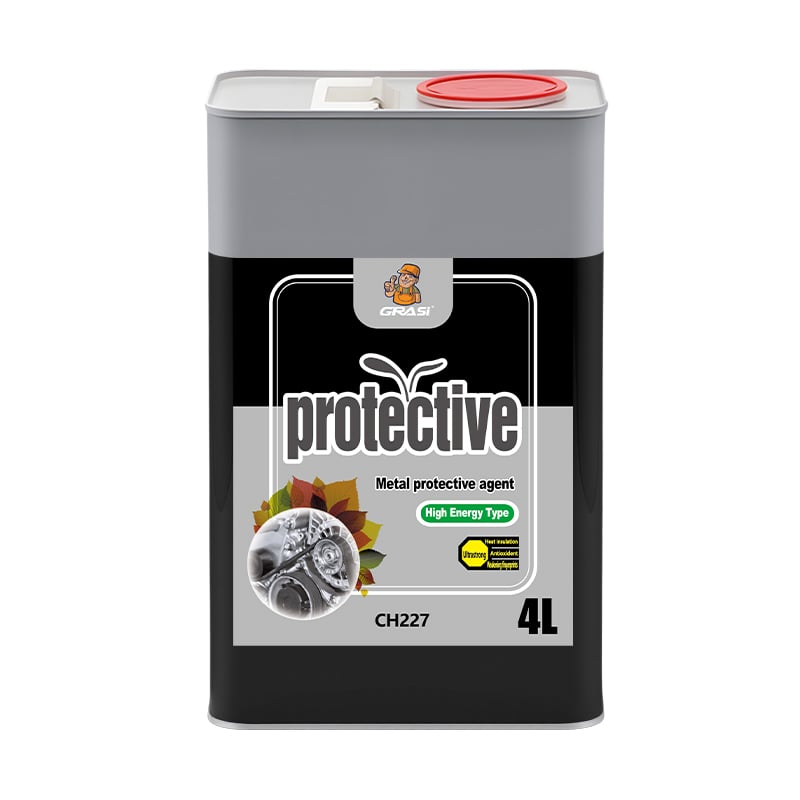
Contractors who consistently deliver surfaces that remain clean, protected, and visually impressive over time build stronger reputations and earn repeat business. Specifying nano coating as a standard part of installation and finishing work signals professionalism and technical knowledge to clients. In competitive markets, the ability to offer nano coating as a value-added service differentiates contractors from those who rely solely on basic finishing products. Clients increasingly recognize the value of nano coating from previous projects, and contractors who can demonstrate expertise with nano coating solutions are better positioned to win higher-value contracts. For high-performance surface protection on metal substrates, nano coating engineered for demanding industrial environments is available as a professional-grade solution worth evaluating.
FAQ
How long does nano coating last on glass, stone, and metal surfaces?
The lifespan of nano coating depends on surface type, exposure conditions, and maintenance practices. On glass and metal in typical commercial settings, nano coating commonly lasts between two and five years before reapplication is needed. On stone surfaces with moderate traffic, nano coating protection can extend even longer. Regular gentle cleaning helps nano coating maintain its performance throughout its service life.
Is nano coating safe to apply in occupied buildings or sensitive environments?
Most professional-grade nano coating formulations are designed with low VOC content and are safe to apply in occupied or sensitive environments once proper ventilation and application guidelines are followed. Contractors should always review the specific nano coating product data sheet for guidance on drying times, ventilation requirements, and any surface preparation steps required before application.
Can nano coating be applied over existing sealants or surface treatments?
In most cases, nano coating requires a clean, residue-free surface to bond correctly. Applying nano coating over existing sealants or treatments may compromise adhesion and reduce the effectiveness of the nano coating layer. Contractors typically remove old surface treatments before applying nano coating to ensure proper molecular bonding and maximum protective performance across glass, stone, and metal substrates.