 EN
EN

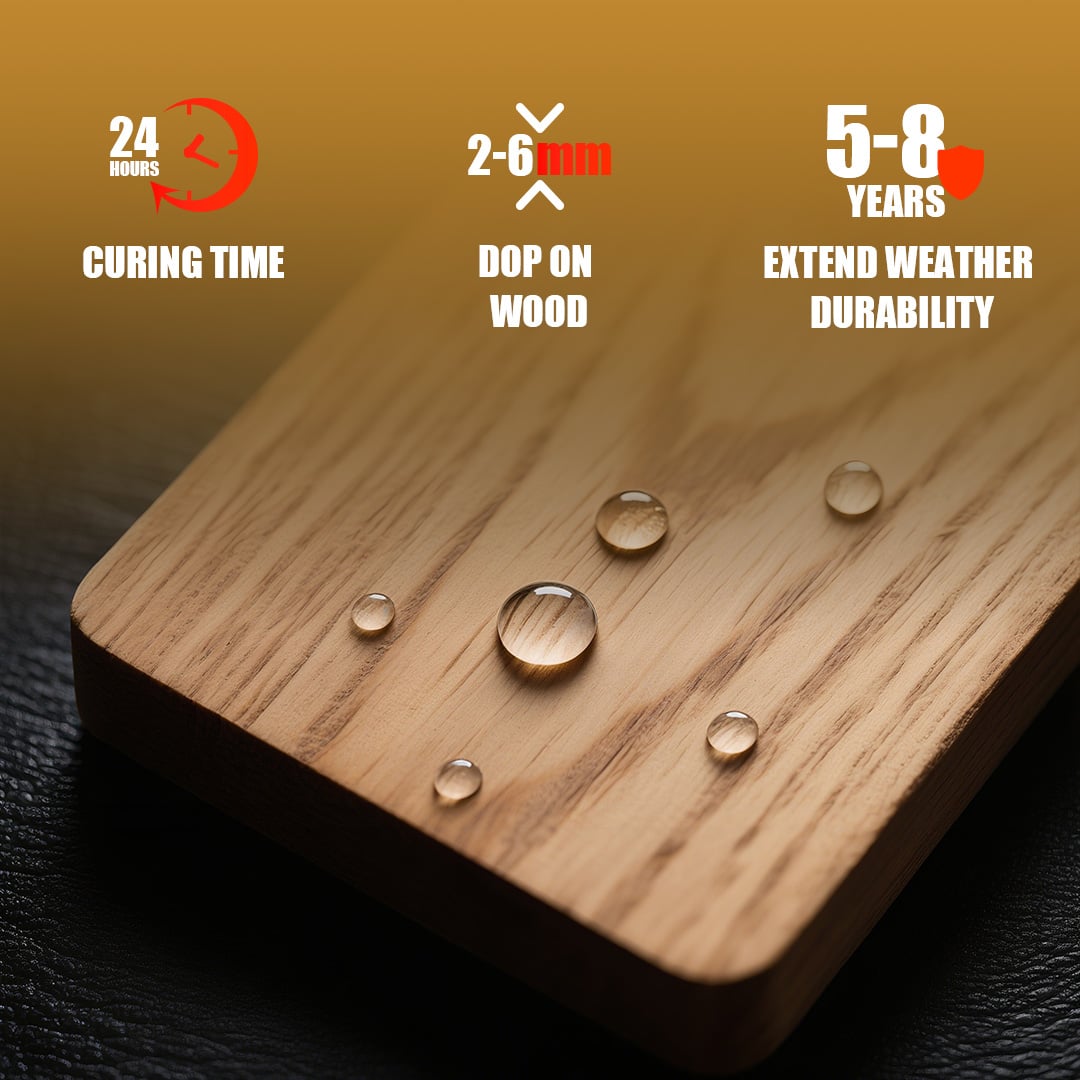
When it comes to protecting hard surfaces without altering their appearance, nano coating has emerged as one of the most powerful solutions available in modern surface treatment technology. Unlike traditional protective layers that add visible thickness or change surface texture, nano coating works at the molecular level to create a shield that is entirely invisible to the naked eye. This unique property makes nano coating exceptionally valuable across industrial, commercial, and architectural applications where aesthetics must be preserved alongside performance.
Understanding how nano coating achieves this invisible protection requires a closer look at the science behind it. Nano coating relies on nanoparticles — particles measured in nanometers — that penetrate microscopic pores and irregularities on a hard surface. Once applied, nano coating forms a continuous, ultra-thin film that bonds chemically to the substrate. This film is so thin that no visual difference is detectable, yet nano coating delivers measurable resistance against water, oil, chemicals, UV radiation, and mechanical wear. The result is a surface that looks untouched but is significantly better protected.
The Science Behind Nano Coating on Hard Surfaces
Molecular Bonding and Surface Penetration
The core mechanism that makes nano coating effective on hard surfaces is molecular bonding. When nano coating is applied, the nanoparticles disperse evenly across the surface and settle into even the smallest surface imperfections. These particles then form covalent or electrostatic bonds with the substrate material, whether it is metal, glass, stone, ceramic, or concrete. This bonding means that nano coating does not simply sit on top of the surface — it integrates with it at a structural level. As a result, nano coating resists peeling, flaking, or delamination even under stress or environmental exposure.
Because nano coating bonds at the molecular level, the protection it provides is fundamentally different from conventional coatings. A standard paint or sealant creates a physical barrier on top of the surface, which can crack or lift over time. Nano coating, by contrast, becomes part of the surface itself. This integration is what enables nano coating to maintain its protective properties over extended periods without visible degradation. Industrial surfaces treated with nano coating retain both their original appearance and enhanced durability long after application.
Hydrophobic and Oleophobic Barrier Formation
One of the most recognized effects of nano coating on hard surfaces is the creation of a hydrophobic barrier. Once nano coating cures, the surface energy drops significantly. Water molecules cannot spread across the treated area; instead, they bead up and roll off. This hydrophobic behavior is not just cosmetically appealing — it actively prevents moisture ingress, which is a leading cause of corrosion, staining, and biological growth on hard surfaces. Nano coating therefore addresses multiple degradation pathways simultaneously through a single application process.
Beyond water repellency, nano coating also creates an oleophobic effect, meaning it resists oil and grease adhesion. For industrial equipment, metal panels, or architectural facades, this means that contaminants have less ability to bond to the surface. Regular cleaning becomes faster and requires fewer chemical agents. The dual hydrophobic and oleophobic properties of nano coating make it especially practical in manufacturing environments, food processing facilities, and outdoor infrastructure where both moisture and oils are persistent challenges.
How Nano Coating Bonds Without Changing Surface Appearance
Ultra-Thin Film Technology
The invisibility of nano coating is a direct consequence of its film thickness. A typical nano coating layer measures between 20 and 200 nanometers — far below the threshold of visible light wavelengths, which begin at around 380 nanometers. Because nano coating film is thinner than a single wavelength of visible light, it does not scatter, absorb, or reflect light in a way that the human eye can detect. The treated surface appears identical to an untreated one, which is critical when protecting decorative metals, precision components, or architectural glass where visual clarity is non-negotiable.
This ultra-thin characteristic of nano coating also means that dimensional tolerances on precision-engineered parts are not affected. In industries such as aerospace, electronics, and precision machinery, even a micron-level change in part dimensions can cause functional problems. Nano coating solves this challenge because its application adds negligible thickness. Engineers and surface treatment specialists can apply nano coating to finished components without requiring any post-treatment dimensional adjustments, making nano coating highly compatible with high-tolerance manufacturing workflows.
Substrate Compatibility Across Hard Surface Types
Nano coating is designed to work across a wide range of hard surface materials. Whether the substrate is stainless steel, aluminum, tempered glass, natural stone, or engineered concrete, nano coating adapts its bonding chemistry to suit the specific surface energy and porosity of each material. This versatility is one reason why nano coating has found adoption across such diverse industries. A single nano coating formulation can protect both a polished metal facade and a rough concrete floor, delivering consistent invisible protection regardless of substrate texture.
The compatibility of nano coating with varied substrates also simplifies procurement and application processes for businesses managing multiple surface types. Rather than sourcing different protective products for each material category, facilities managers and industrial buyers can standardize on nano coating as a unified surface protection solution. This reduces inventory complexity, streamlines application training, and ensures a consistent level of protection across all hard surfaces within an operation.
Practical Applications of Nano Coating on Industrial Hard Surfaces
Corrosion and Chemical Resistance in Industrial Environments
In industrial settings, hard surfaces are routinely exposed to aggressive chemicals, salt spray, humidity, and temperature fluctuations. Nano coating provides a chemically inert barrier that prevents reactive substances from reaching the substrate. Metal surfaces treated with nano coating show significantly reduced oxidation rates because moisture and oxygen cannot penetrate the bonded film. This makes nano coating a practical choice for equipment housings, structural steel, pipe fittings, and any metal component that operates in a corrosive environment.
Nano coating also resists many common industrial solvents and cleaning agents, which means the protective layer remains intact even during routine maintenance procedures. Unlike traditional coatings that may degrade when exposed to cleaning chemicals, nano coating maintains its molecular bond integrity. This chemical resistance extends the effective service life of nano coating significantly, reducing the frequency of reapplication and lowering the total cost of surface maintenance over time.
UV Stability and Long-Term Outdoor Performance
For hard surfaces exposed to outdoor conditions, UV radiation is a major degradation factor. Nano coating formulations designed for exterior use incorporate UV-stable nanoparticles that absorb or deflect ultraviolet energy without breaking down. This UV stability means that nano coating continues to protect outdoor metal, glass, and stone surfaces even after prolonged sun exposure. Architectural cladding, outdoor signage, and industrial infrastructure all benefit from the combination of invisible appearance and lasting UV protection that nano coating provides.
FAQ
How long does nano coating last on hard surfaces?
The lifespan of nano coating depends on the substrate type, environmental exposure, and the specific formulation used. On metal and glass surfaces in moderate industrial conditions, nano coating typically maintains effective protection for one to five years. High-performance nano coating products designed for demanding environments can extend this range further. Periodic inspection helps determine when reapplication of nano coating is needed.
Can nano coating be applied to already corroded surfaces?
Nano coating performs best when applied to clean, properly prepared surfaces. If a hard surface already shows corrosion, rust, or contamination, those issues should be addressed through mechanical or chemical preparation before nano coating is applied. Applying nano coating over existing corrosion will seal in the damage rather than reverse it. Proper surface preparation ensures that nano coating bonds effectively and delivers the full scope of its protective performance.
Is nano coating safe for use in food-contact or sensitive environments?
Many nano coating formulations are developed with low toxicity profiles and are suitable for use in sensitive environments. However, suitability depends on the specific nano coating product and its certified compliance with relevant industry standards. For food processing equipment or medical-grade surfaces, buyers should verify that the nano coating product meets applicable regulatory requirements. Consulting product technical data and safety documentation ensures the correct nano coating is selected for each application context.