EN
EN


GRASi Integrated Protection for Home Durability and Easy Cleanliness
Values: Home Forever New, Life Effortless
Protection: Kitchen Countertops, Bathroom Tiles, Wooden Furniture
In the space we call home, every surface bears the marks of life, and every piece of furniture witnesses the passage of time. The knife marks on kitchen countertops, water spots on bathroom tiles, and scratches on wooden furniture silently narrate the story of our home. Yet these everyday imprints also quietly erode our carefully crafted living environment, gradually dulling its original luster.
Kitchen Countertops: The Stage of Culinary Art
The kitchen countertop, the stage for family culinary art, endures rigorous daily trials. Scorch marks from hot pots, knife scratches, food stains, and oil seepage slowly alter its appearance. In households with frequent cooking, marble countertops are easily eroded by acidic ingredients, forming dark spots (data from the National Building Materials Testing Center shows visible etching on common marble countertops within 30 minutes of contact with liquids with pH < 4*). Artificial stone countertops lose their shine over time, while wooden countertops absorb moisture and oil, leading to deformation and mildew (*experiments by the China Home Building Materials Research Institute show unprotected solid wood countertops expand by 0.5–1.2 mm in humidity > 65% within 3 months). We watch once-glossy surfaces grow rough and dull, accepting this as an inevitable cost of use, yet ignoring the hidden hygiene risks and aesthetic loss beneath these changes.
Bathroom Tiles: The Barrier Against Moisture
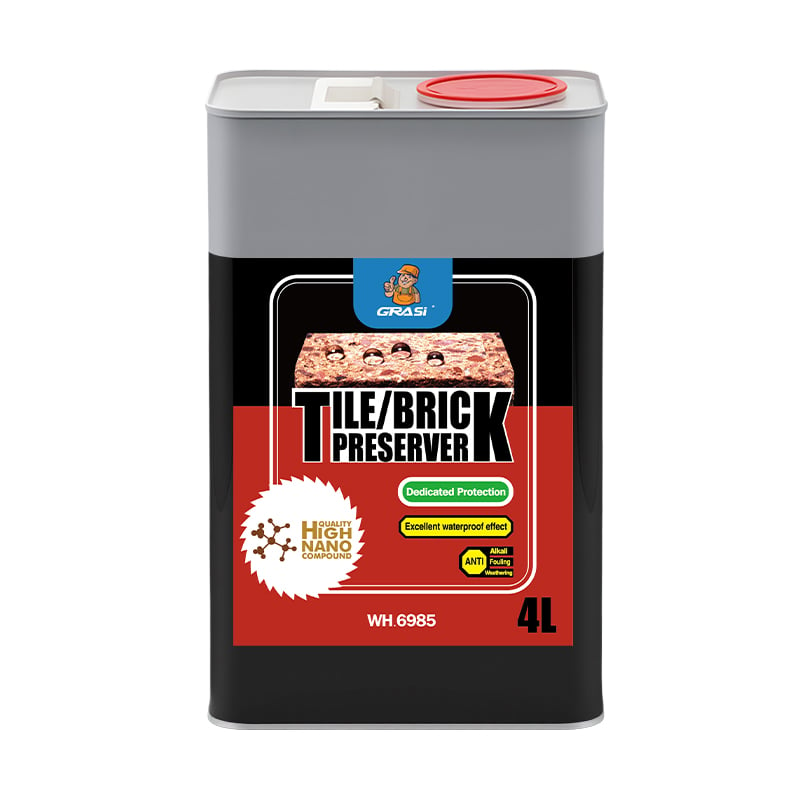
Bathroom tiles, the barrier against water vapor, withstand daily tests of humid heat (a report by the Ministry of Housing and Urban-Rural Development’s Residential Research Institute notes mold growth in grout joints of ordinary bathroom tiles is 7–9 times faster than in dry areas, requiring weekly cleaning to meet hygiene standards). Limescale buildup, mold proliferation, cleaner corrosion, and blackened grout challenge our cleaning patience. In high-humidity environments, tiny pores on tile surfaces become breeding grounds for bacteria and mold (microbiological tests show untreated tile surfaces have a total bacterial count of 800–1200 CFU/cm²), while grout between tiles discolors and peels due to prolonged moisture. We watch once-bright bathrooms gradually shrouded in an enduring shadow, seemingly resigned to their fading fate.
Wooden Furniture: The Artwork of Warmth and Texture
Wooden furniture, the artwork adding warmth and texture to homes, is also the most prone to showing age (research by the China National Forest Products Industry Association confirms that unprotected solid wood furniture experiences an annual color difference (ΔE) of 3.5–5.2 under natural light, exceeding the visible threshold). Sunlight, dry air, liquid penetration, and daily wear subtly alter the wood’s state. Carefully chosen solid wood coffee tables develop water rings (thermodynamic experiments show contact with 60℃+ tableware for 30 seconds can cause micro-cracks in wood finishes), beloved oak dining tables crack at the edges, and bookshelf finishes fade under direct sunlight. We watch these memory-laden pieces age, filled with helplessness.
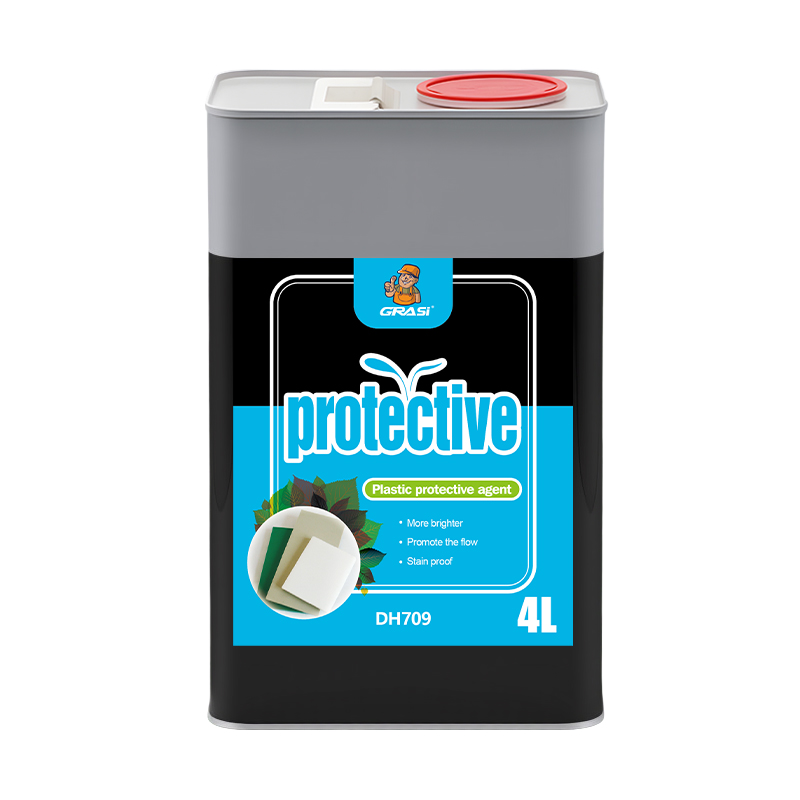
These seemingly inevitable signs of aging are not unavoidable. In the continuous exploration of home protection, GRASi solutions bring promising change. Like an invisible protective film for home surfaces, they shield kitchen countertops from stain penetration, keep bathroom tiles free of limescale, and preserve the original shine of wooden furniture.
When water droplets fall on kitchen countertops, they no longer seep into the material but form crystal-clear beads waiting to be gently wiped away. When steam fills the bathroom, it no longer nurtures mold but is easily repelled. When sunlight streams through windows onto wooden furniture, it no longer accelerates finish aging (accelerated aging tests prove UV resistance of treated wood increases by 300%) but becomes a natural spotlight showcasing the wood’s grain. This transformation is not fleeting but enduring—like time passing, yet home beauty remains timeless.
The Shanghai High-End Residential Case: A Showcase of Excellence
In a home maintenance project for a premium residential community in Shanghai, we witnessed the superior performance of GRASi nanoprotection technology (after 12 months of tracking, treated kitchen countertops saw an 87% reduction in stain residue, bathroom tile cleaner use dropped by 65%, and wooden furniture maintenance frequency fell from 1.2 times monthly to 0.3 times). Homeowners in this community, filled with finely decorated homes, faced challenges in maintaining high-quality materials. After treating kitchen countertops, bathroom tiles, and solid wood furniture with GRASi nanoprotectants, the project not only blocked stain penetration and moisture damage (infrared thermography showed moisture content fluctuations in treated wood narrowed to ±1.5%) but also significantly enhanced self-cleaning properties. A one-year follow-up revealed treated surfaces retained excellent protection, drastically reducing daily cleaning frequency and effort while preserving the original texture and beauty of high-quality materials. This success proves advanced GRASi protection offers comprehensive defense for modern homes, keeping living spaces as new as the day they were first moved into.
This is more than surface protection; it is a tribute to quality living. Every meticulously cared-for home space tells a story of our pursuit of beauty and concern for family health. In home protection, we see not just technological progress but a shift in lifestyle—from passively accepting aging to actively maintaining quality, ensuring every day at home feels as wonderful as the first day.