 EN
EN

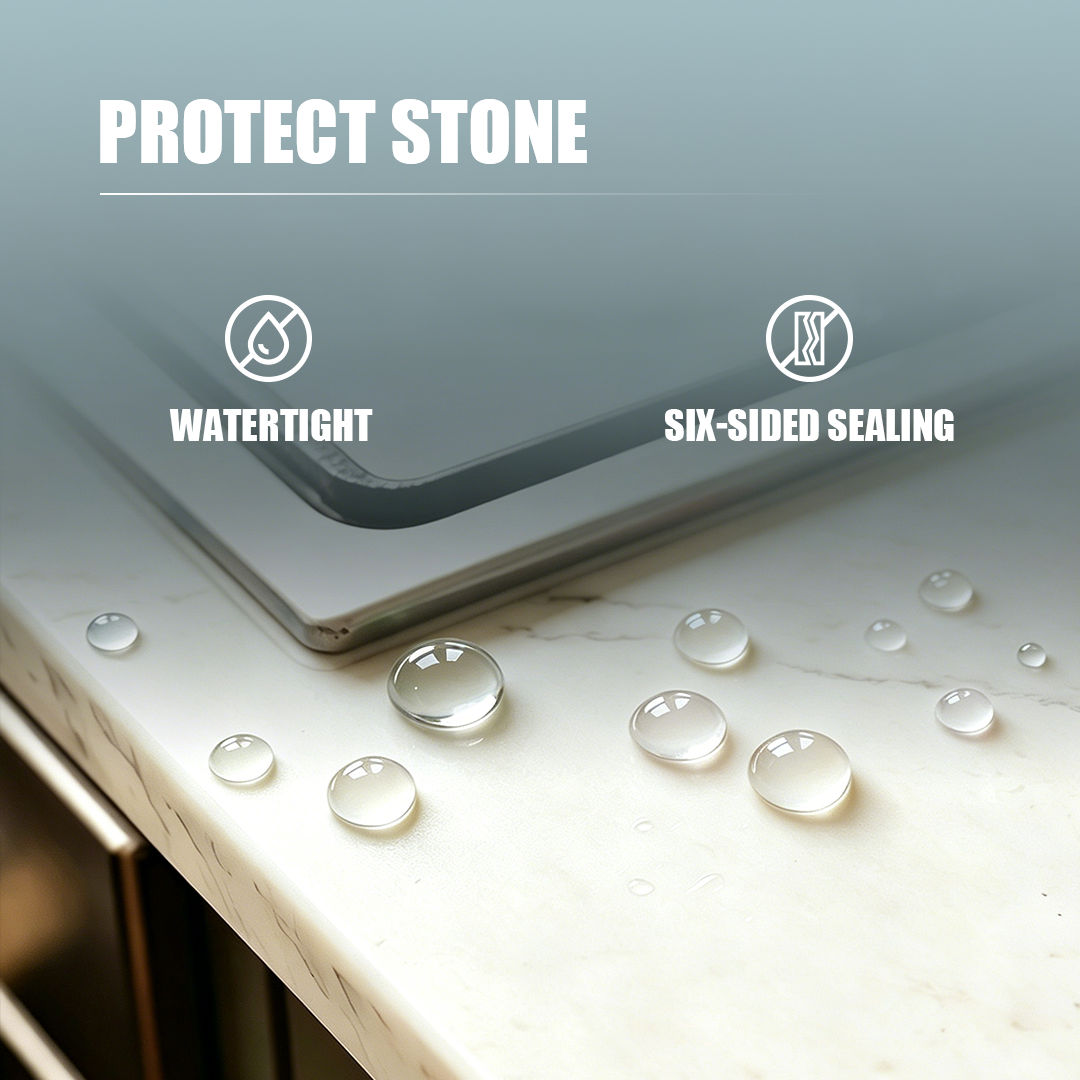
When it comes to protecting high-value surfaces from the elements, nano coating has emerged as one of the most reliable and scientifically advanced solutions available today. Whether applied to a vehicle's exterior or a building's facade, nano coating forms an invisible but highly durable barrier that repels water, resists chemical exposure, and prevents surface degradation. Understanding what makes nano coating so effective starts with looking at how it works at the molecular level and why that matters for both automotive and architectural applications.
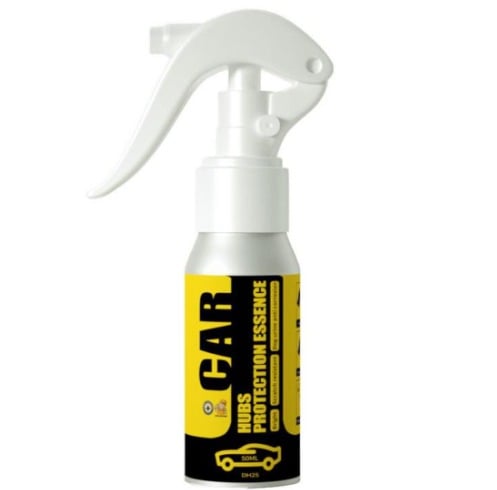
Nano coating technology works by applying ultra-thin layers of protective compounds, typically silica- or ceramic-based, that bond chemically with the surface material. Once cured, nano coating creates a semi-permanent shield that does not simply sit on top of the surface but integrates with it. This is what separates nano coating from traditional waxes, sealants, or paint films. The result is a surface that actively resists contamination, UV radiation, oxidation, and physical abrasion — making nano coating a strong long-term investment for both vehicle owners and property managers.
How Nano Coating Protects Automotive Surfaces
Shielding Paint and Exterior Components
Automotive surfaces face a constant barrage of environmental threats — acid rain, road salts, insect residue, UV rays, and brake dust among them. Nano coating applied to a car's painted surfaces creates a hydrophobic barrier that causes water and contaminants to bead up and roll off rather than adhering to the paint. This self-cleaning effect is one of the most practical benefits of nano coating for vehicle owners who want to maintain their car's appearance with minimal effort.
Beyond paint, nano coating is equally effective on metal components such as wheel hubs and brake calipers. Products designed for car hubs use nano coating to block corrosion-causing agents from reaching bare metal. This is particularly valuable in regions where road salting is common during winter months. A properly applied nano coating on wheel components can extend their service life significantly and reduce the maintenance burden on fleet operators and individual car owners alike.
Preserving Interior and Functional Surfaces
Nano coating is not limited to exterior use in automotive contexts. Interior surfaces such as dashboards, leather upholstery, and glass panels can also benefit from nano coating applications. When applied to glass, nano coating improves visibility during rain by causing water to sheet off quickly, improving driver safety. On leather and fabric, nano coating resists staining and reduces the penetration of liquids, making cleaning faster and less damaging to material integrity.
Functional components like sensors, connectors, and electronic housings can also receive nano coating to prevent moisture ingress and oxidation. As vehicles become more electronically complex, nano coating provides a layer of protection that traditional mechanical seals alone cannot always guarantee. This makes nano coating an increasingly important tool in modern vehicle maintenance strategies.
Nano Coating Applications in Building Protection
Defending Facades and Exterior Cladding
Buildings are continuously exposed to weather, pollution, biological growth, and UV degradation. Nano coating applied to exterior facades — whether concrete, glass, stone, or metal — creates a protective film that dramatically reduces the rate of surface deterioration. Dirt and particulate matter have far less ability to bond with a nano coating-treated surface, which means buildings retain their visual appearance for longer periods between maintenance cycles.
For glass curtain walls, nano coating improves light transmission clarity by reducing mineral deposits and streaking caused by hard water. Property managers of commercial buildings and high-rise structures find that nano coating reduces cleaning frequency and the associated labor and chemical costs. Over a multi-year period, the savings generated by reduced maintenance often outweigh the initial cost of applying nano coating.
Moisture and Mold Resistance in Construction Materials
Moisture is one of the leading causes of structural damage in buildings. Nano coating applied to porous construction materials such as brick, concrete, and grout creates a water-repellent layer that significantly reduces moisture absorption. When moisture cannot penetrate, the conditions that support mold, mildew, and algae growth are largely eliminated. This makes nano coating especially valuable in humid climates or in structures where moisture management is critical to occupant health and structural longevity.
Nano coating also plays a role in protecting roofing materials and sealing joints where water infiltration is a chronic issue. By combining nano coating with standard waterproofing measures, building contractors can achieve much longer-lasting results than with traditional sealants alone. The thin application profile of nano coating means it does not alter the visual character or breathability of treated surfaces, which is important for architectural and heritage applications.
Key Properties That Make Nano Coating Effective
Durability and Adhesion Strength
One of the primary reasons nano coating outperforms conventional surface treatments is its adhesion mechanism. Nano coating bonds at the molecular level with the substrate, which means it does not peel, flake, or wash away under normal conditions. The hardness rating of quality nano coating products is typically higher than standard clear coats, offering genuine scratch resistance that protects the surface below. This durability is a key driver for adoption in both automotive and building sectors.
Applying nano coating correctly requires surface preparation, which ensures the bond quality is maximized. A clean, contaminant-free substrate allows nano coating to achieve its full protective potential. When applied by professionals or experienced users following proper protocols, nano coating consistently delivers results that last years rather than months.
Chemical Resistance and UV Stability
Nano coating exhibits strong resistance to a wide range of chemicals, including road salts, cleaning agents, mild acids, and alkaline detergents. This chemical resilience is critical for automotive surfaces that encounter fuel spills, brake fluid, and industrial fallout. For buildings, nano coating withstands acid rain and atmospheric pollutants that gradually degrade untreated surfaces. This chemical barrier is built into the molecular structure of nano coating, not simply applied as a surface coating that can be stripped by aggressive agents.
UV stability is another defining property of quality nano coating. Without UV protection, even high-quality paints and coatings will oxidize and fade over time. Nano coating absorbs and deflects UV energy, preserving the color and finish of automotive paint and building cladding materials. This makes nano coating a long-term ally against solar degradation in both sectors.
FAQ
How long does nano coating typically last on a vehicle?
The lifespan of nano coating on a vehicle depends on the product quality, surface preparation, and maintenance practices. High-quality nano coating products can last between two and five years under normal driving and washing conditions. Regular maintenance using pH-neutral cleaners helps preserve the nano coating layer for its full expected duration.
Can nano coating be applied to all building materials?
Nano coating is compatible with a wide range of building materials including glass, concrete, stone, brick, metal, and most types of cladding. Some highly porous or chemically reactive substrates may require a primer or specific formulation of nano coating to achieve optimal adhesion. It is advisable to test nano coating on a small area and consult product specifications before full-scale application.
Is nano coating environmentally safe?
Many modern nano coating formulations are designed to minimize environmental impact by using low-VOC or water-based carrier systems. The durability of nano coating also contributes to environmental benefits indirectly, as treated surfaces require fewer cleaning chemicals and less frequent reapplication. Buyers should review the safety data sheet of any specific nano coating product to confirm its environmental compliance with local regulations.