 EN
EN
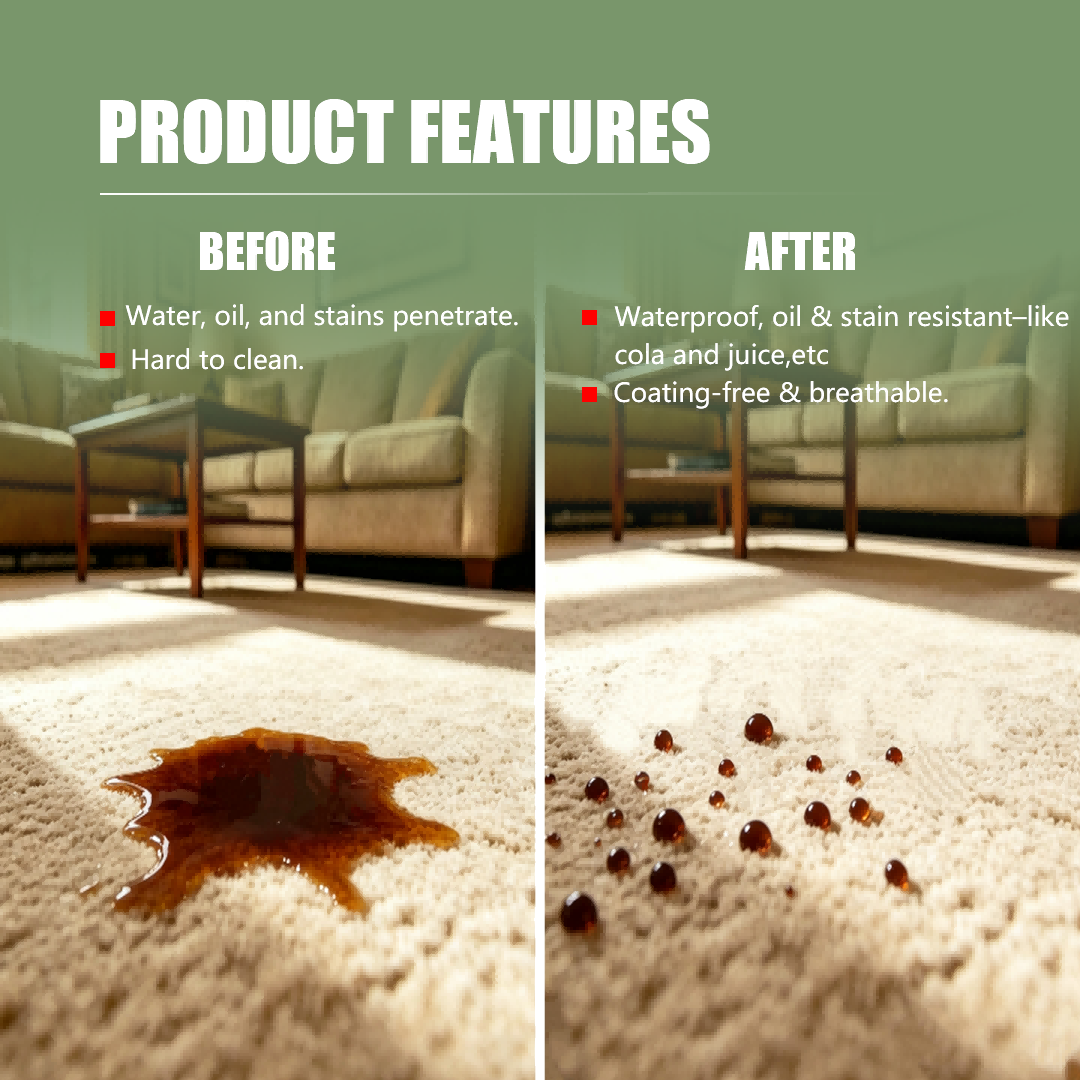
When fabric seats and cushions begin to show stains, odors, or embedded dirt, reaching for the right upholstery cleaner becomes a priority. Not every product on the shelf delivers the same results, and understanding what separates an effective upholstery cleaner from a mediocre one helps you protect your investment in furniture, vehicle interiors, and commercial seating. The difference lies in chemistry, formulation, and the way active ingredients interact with fibers.
An upholstery cleaner that works well on fabric seats and cushions must achieve multiple goals simultaneously. It needs to lift stains without weakening fibers, neutralize odors rather than mask them, and dry without leaving residue. A quality upholstery cleaner also needs to be safe for frequent use, gentle on color pigments, and effective across a range of soil types from food spills to grease marks. This article breaks down the core factors that make an upholstery cleaner genuinely effective.
The Chemistry Behind an Effective Upholstery Cleaner
Surfactants and Their Role in Soil Removal
The foundation of any high-performing upholstery cleaner is its surfactant system. Surfactants are molecules with a dual structure — one end attracts water, and the other end attracts oil and grease. When an upholstery cleaner is applied to fabric, its surfactants surround soil particles and lift them away from individual fibers. This mechanism allows the upholstery cleaner to remove both water-based stains such as coffee or juice and oil-based stains such as body grease or food fat in a single application. A well-balanced surfactant blend in an upholstery cleaner ensures thorough cleaning without over-saturating the fabric, which reduces drying time and minimizes the risk of mold growth inside cushion cores.
pH Balance and Fiber Safety
An effective upholstery cleaner maintains a pH level that is compatible with synthetic and natural fabric fibers. Strongly alkaline upholstery cleaner formulas can break down dye bonds over time, causing fading or color migration. Strongly acidic upholstery cleaner options may weaken natural fibers like cotton or wool. The best upholstery cleaner products are formulated in a near-neutral to mildly alkaline range, which optimizes soil breakdown while protecting fiber integrity. This pH consideration is especially important for commercial upholstery cleaner applications where the same seating surfaces are cleaned repeatedly over months and years.
How Application Method Influences Upholstery Cleaner Performance
Spray, Foam, and Penetration Depth
The physical format of an upholstery cleaner — whether it comes as a spray, foam, or concentrated liquid — directly affects how well it penetrates fabric and reaches embedded soil. A foam-based upholstery cleaner tends to cling to vertical surfaces and seat backs without dripping, allowing more dwell time for active ingredients to work. A spray upholstery cleaner distributes evenly across flat cushion surfaces and is particularly efficient for large-area coverage. A concentrated upholstery cleaner diluted with water gives users greater control over solution strength. The key is that the upholstery cleaner must reach soil that has settled below the surface of the weave, not just clean the visible top layer of fabric.
Agitation and Dwell Time
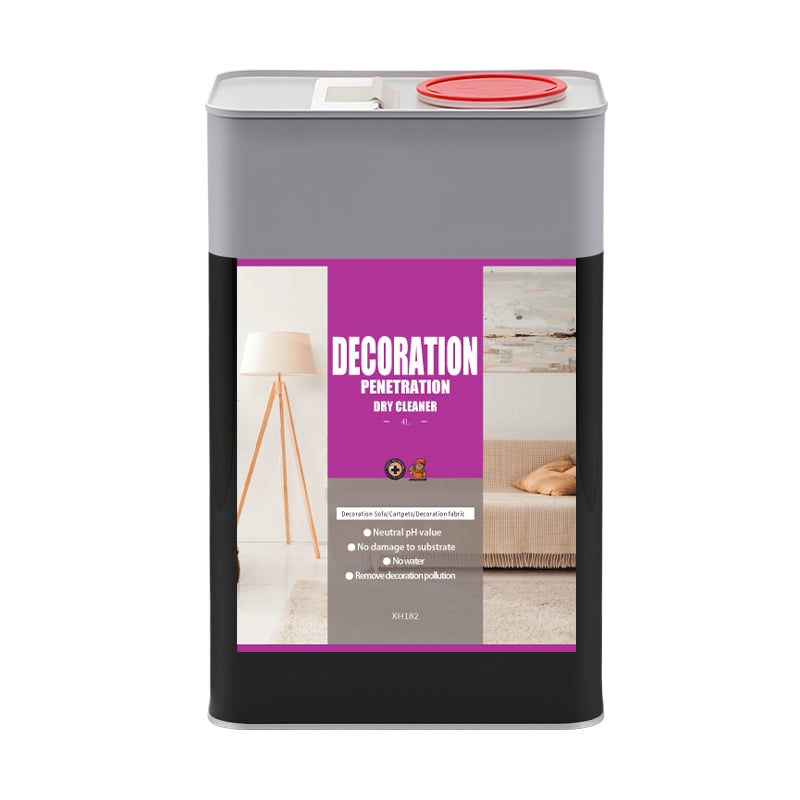
Even the most advanced upholstery cleaner requires some level of agitation to deliver peak results. Working the upholstery cleaner into the fabric using a soft brush or clean cloth allows the active ingredients to contact more fiber surface area and break apart compacted soil. Dwell time — the period the upholstery cleaner sits on the fabric before wiping — is equally important. Allowing the upholstery cleaner to dwell for one to three minutes before extraction gives enzymes and surfactants time to fully dissolve stains. Rushing the process by wiping too soon reduces the effectiveness of even a professional-grade upholstery cleaner significantly.
Targeted Performance for Fabric Seats and Cushions
Odor Elimination vs. Odor Masking
A genuinely effective upholstery cleaner does not simply add fragrance to cover up unpleasant smells. True odor elimination occurs when the upholstery cleaner breaks down the organic compounds responsible for the odor at a molecular level. Enzymatic upholstery cleaner formulas are especially effective for this purpose because the enzymes specifically target proteins found in sweat, food residues, and biological spills. Once the enzyme in the upholstery cleaner digests these compounds, the source of the odor is eliminated rather than temporarily concealed. For fabric seats in vehicles, offices, or hospitality settings, this distinction between a masking upholstery cleaner and a true odor-eliminating upholstery cleaner is a critical performance factor.
Residue-Free Drying and Long-Term Fabric Health
One of the most overlooked qualities of a top-tier upholstery cleaner is how it leaves the fabric after drying. A low-quality upholstery cleaner may leave behind sticky residue, which attracts new soil faster than untreated fabric and causes cushions to feel stiff or tacky. An advanced upholstery cleaner is formulated to fully volatilize or rinse clear, leaving fibers soft and neutral. This residue-free finish is especially important in professional environments where an upholstery cleaner is applied to high-touch surfaces like reception seating or vehicle seat upholstery. Using an upholstery cleaner that dries clean extends the refresh cycle, meaning surfaces stay presentable longer between cleaning sessions.
FAQ
Can I use an upholstery cleaner on all fabric types?
Most quality upholstery cleaner products are designed for broad fabric compatibility, including polyester, nylon, and blended weaves. However, delicate natural fibers such as silk or untreated linen may require a specialized upholstery cleaner formula. Always check the product label and test the upholstery cleaner on a small hidden area before full application to avoid fiber or color damage.
How often should an upholstery cleaner be used on fabric seats?
For household fabric seats and cushions, using an upholstery cleaner every three to six months is typically sufficient for maintenance. High-traffic commercial seating may benefit from more frequent upholstery cleaner treatments, such as monthly applications. The frequency depends on usage intensity, soil exposure, and the type of upholstery cleaner being used.
Does an upholstery cleaner work on both stains and general dullness?
Yes. A well-formulated upholstery cleaner addresses both visible stains and the gradual dulling caused by fine dust, body oils, and environmental particles settling into fabric fibers. Regular use of an upholstery cleaner restores fabric brightness and texture, making seats and cushions look and feel refreshed even without specific stain events.